Gas Water Heater: Gas Pipe Replacement
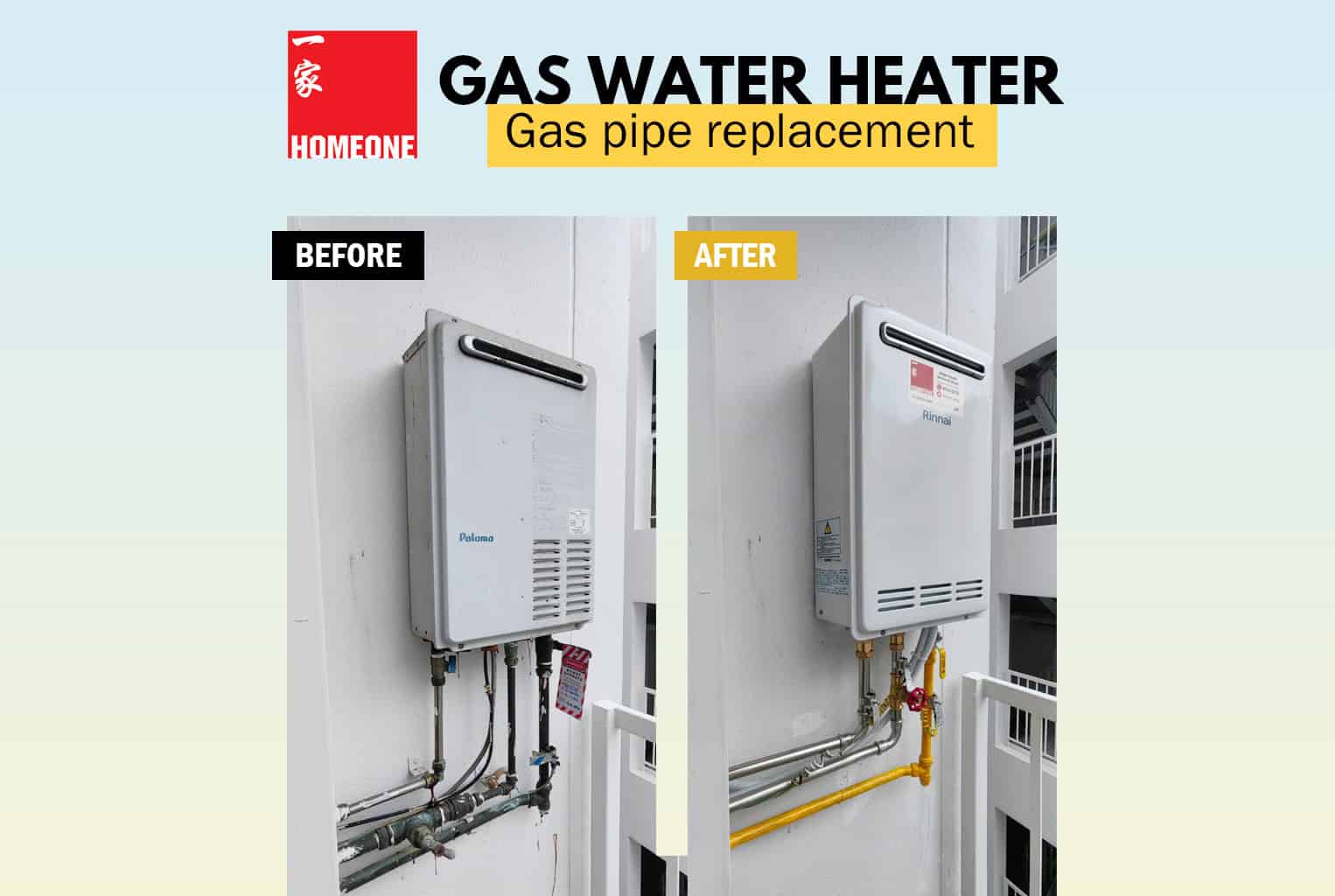
Why we replace the gas pipe section and all fittings on every gas water heater replacement.
Need Gas Pipe Replacement?
💬 Engage us for work done right — PUB-compliant, trusted, guaranteed.
What is this?
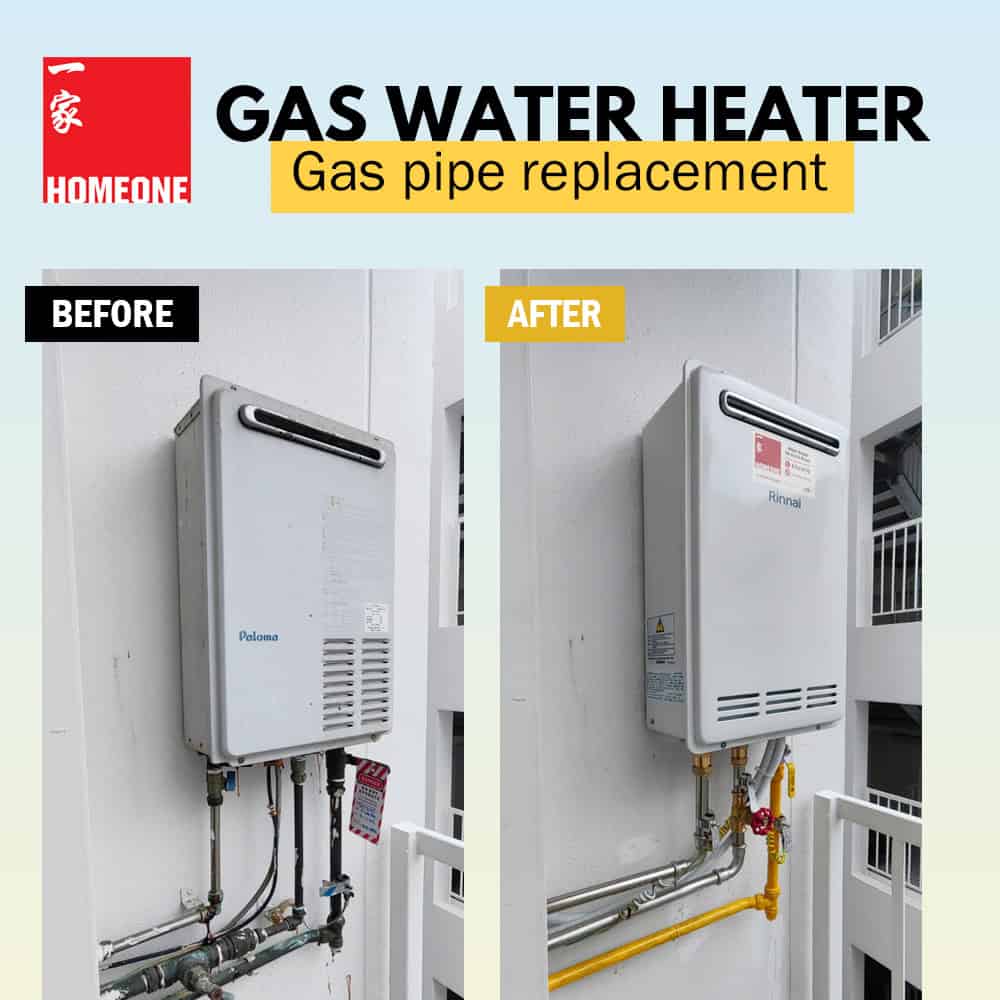
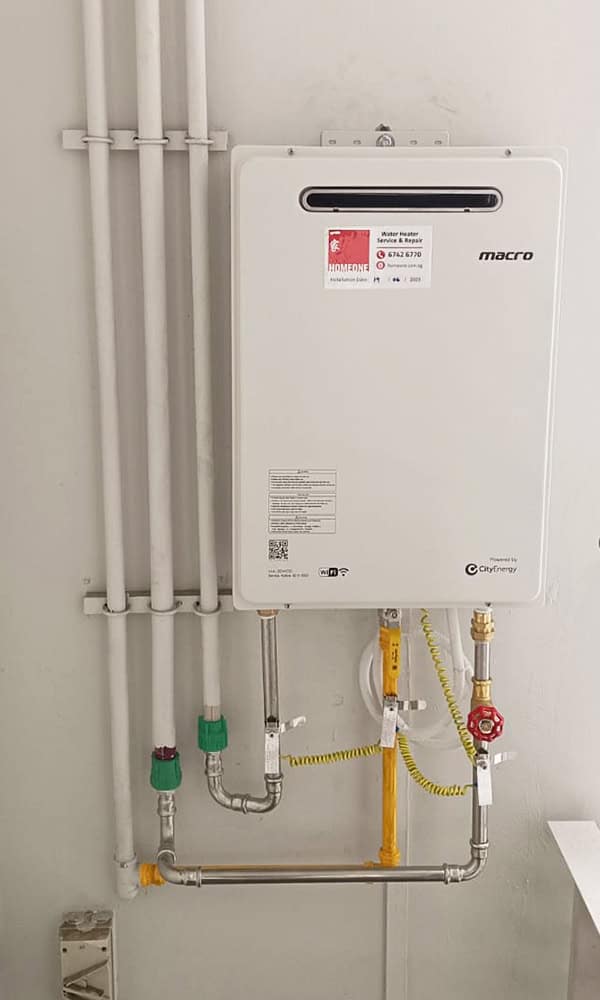
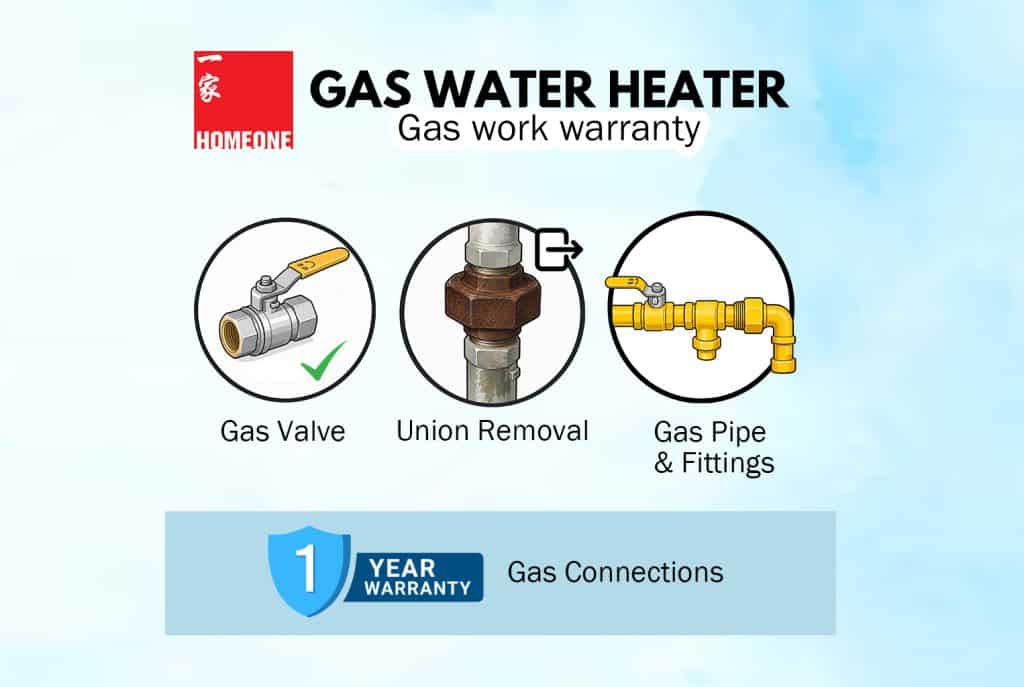
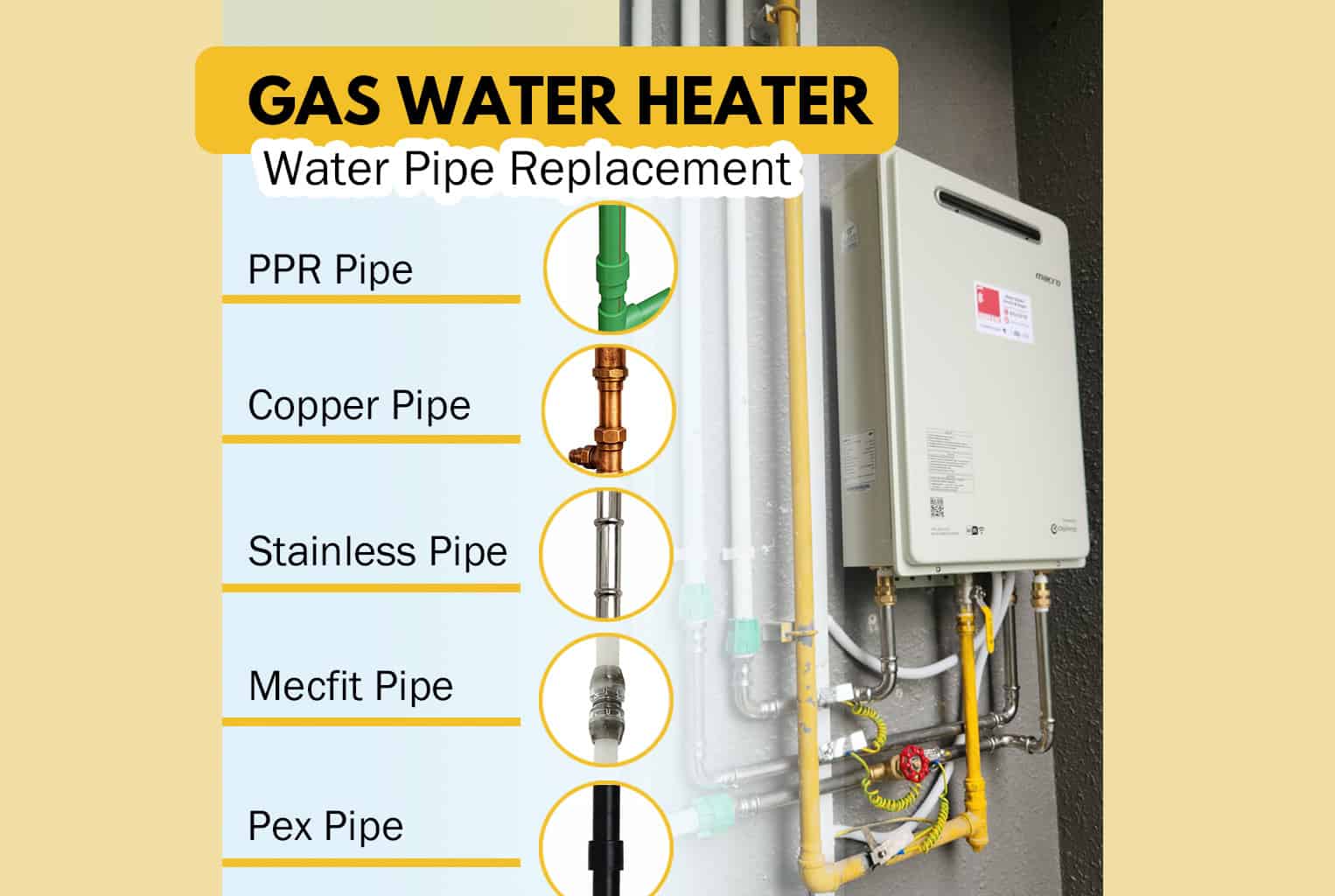
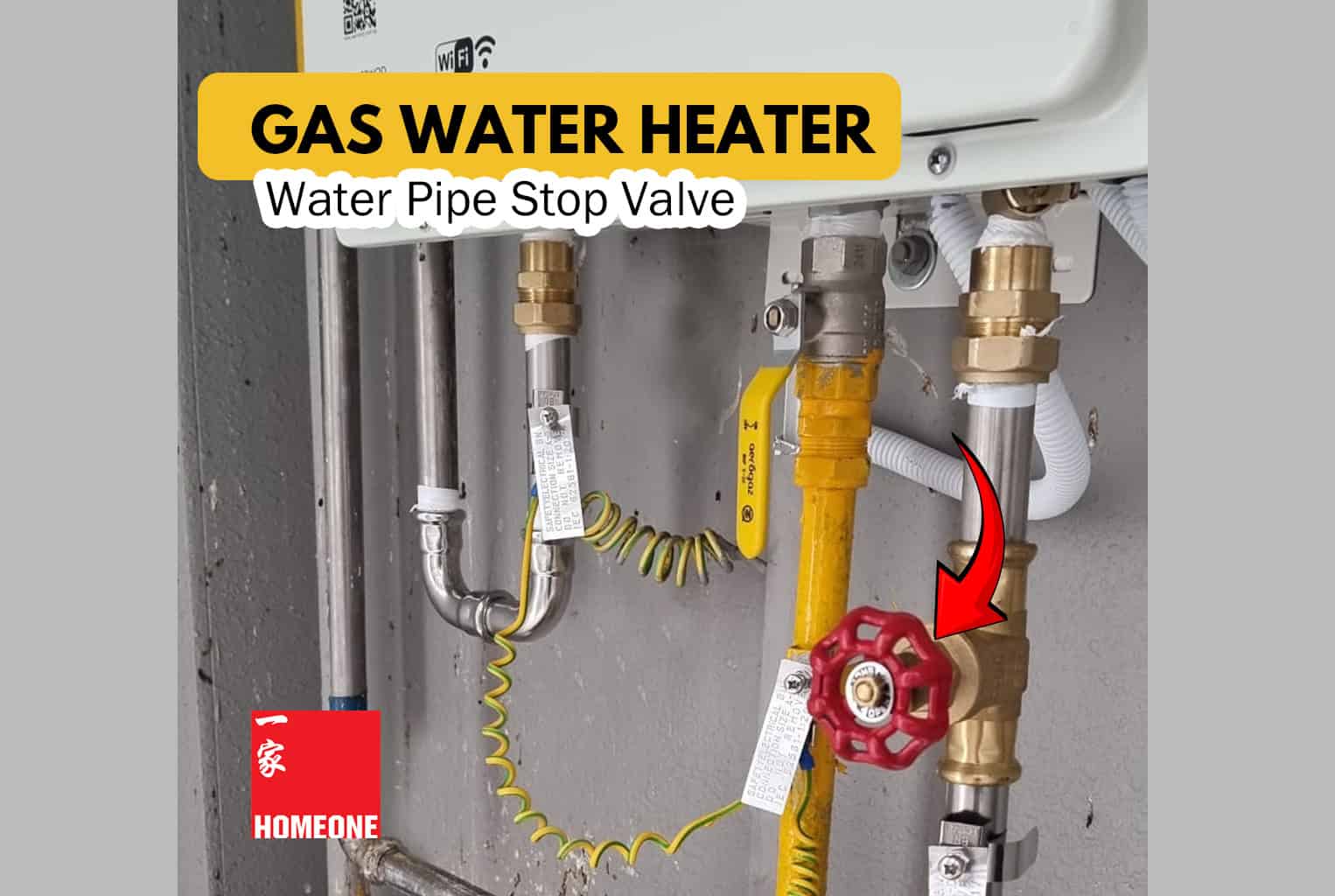
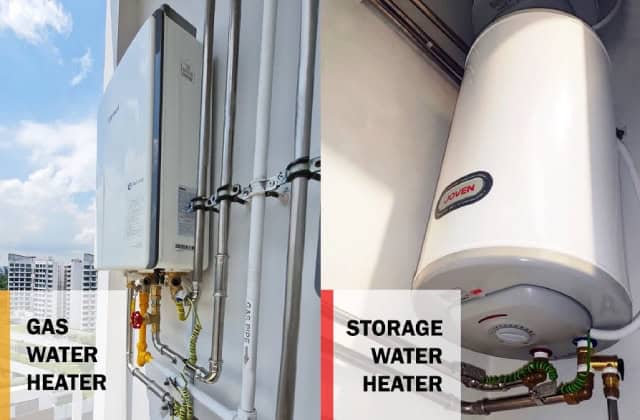
The gas pipe is the section of pipework that carries town gas from the gas meter to your water heater. On a standard replacement job, Homeone replaces the gas pipe section and all associated fittings — elbows, connectors, reducers — up to 1 metre from the heater connection.
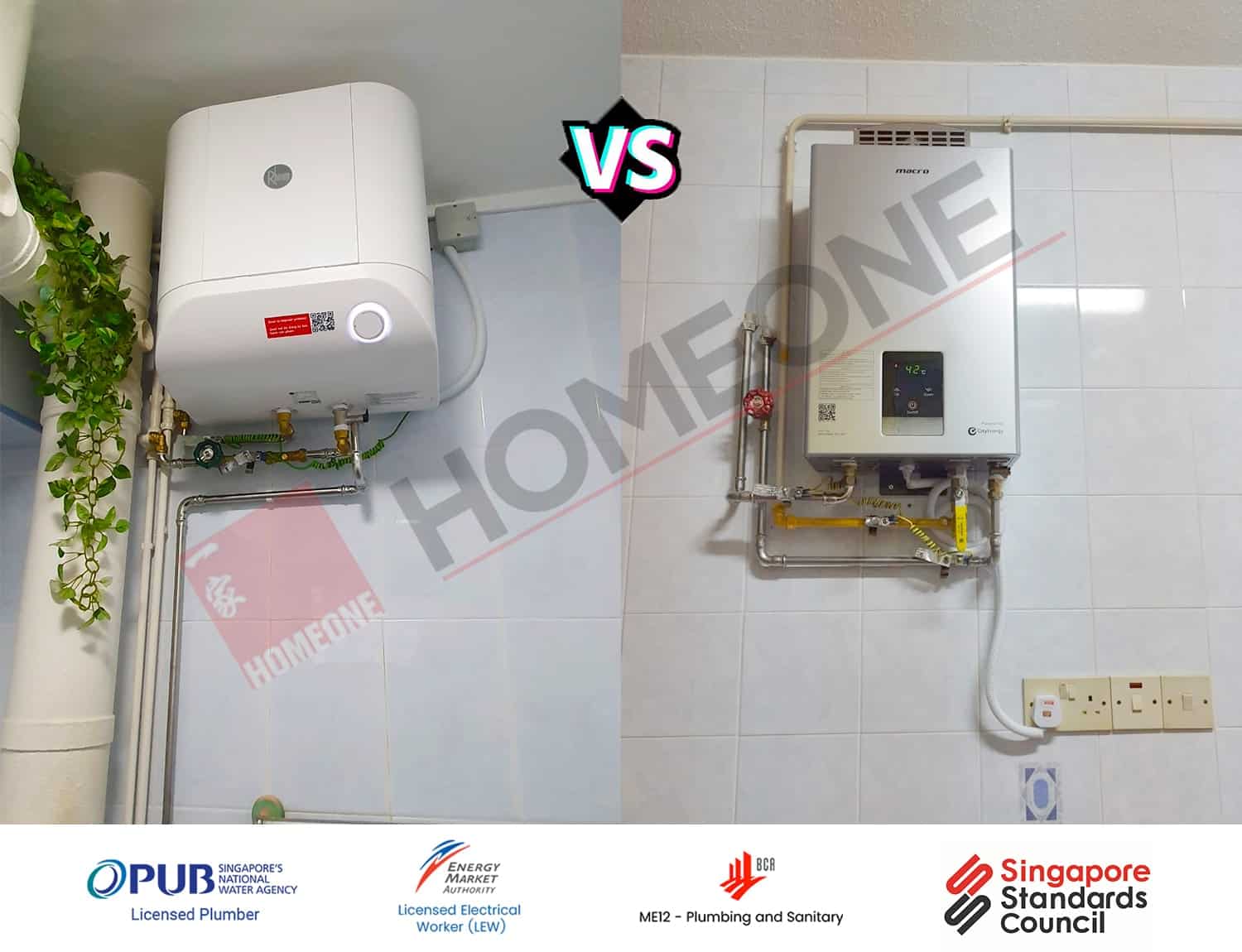
This is not just a pipe. It is the complete gas pipe assembly — pipe, fittings, and joints — from the heater back to the nearest undisturbed connection.
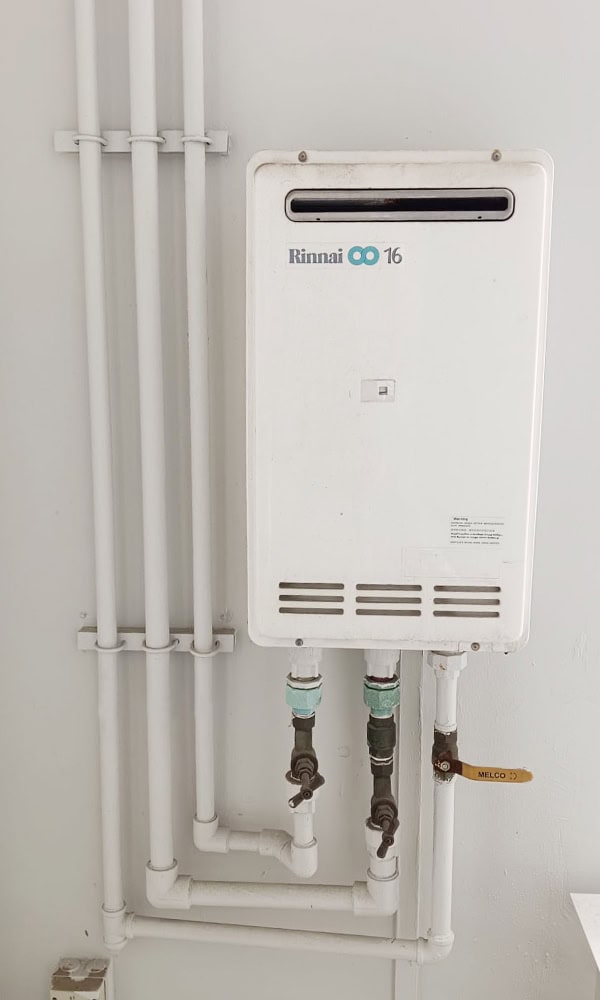
What types of gas pipe are found on existing installations?
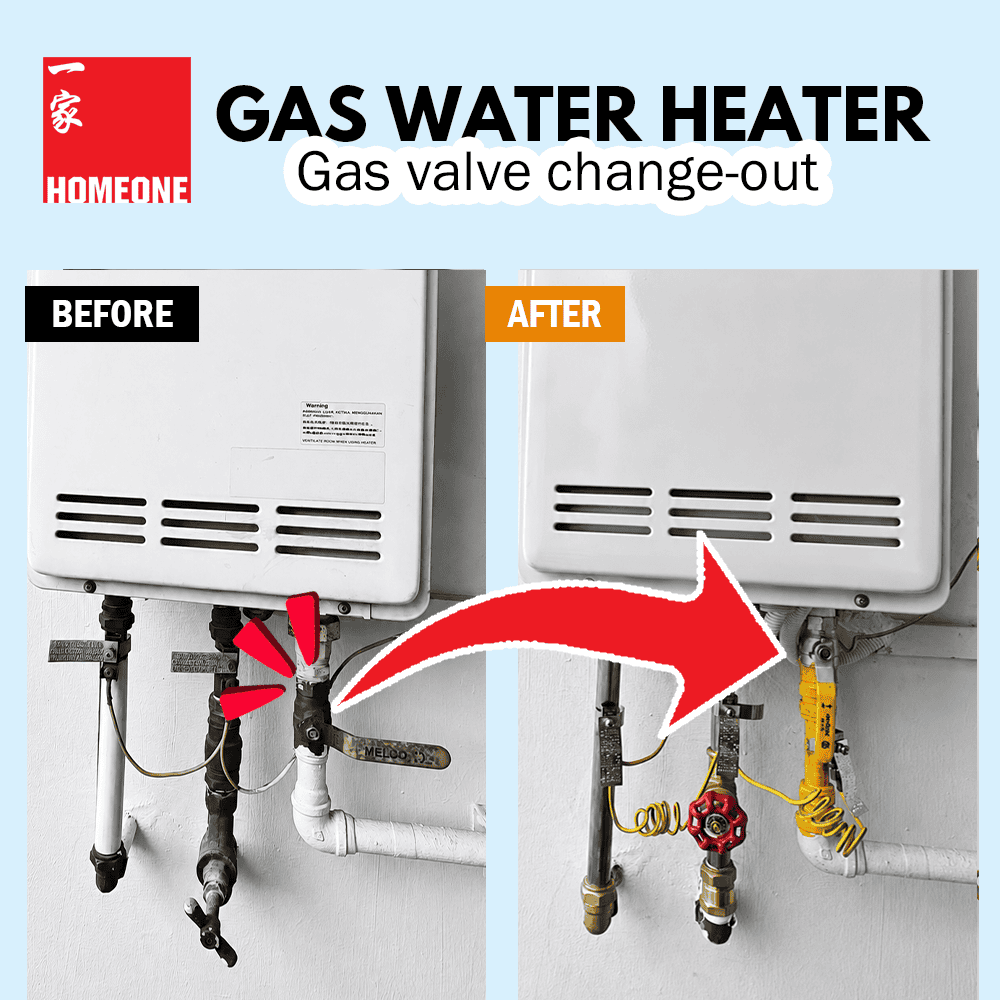
Homeone finds two types of gas pipe on existing water heater installations. Both have specific failure modes that make them unreliable for reuse.
Copper pipe with compression fittings
Copper is a soft metal. This is the source of its biggest problem when reused.
During the first installation, the compression fitting is tightened hard onto the copper pipe. The pipe deforms under this force — it loses its perfectly round cross-section and compresses into the fitting. This deformation is how the joint seals. It is intentional.
During dismantling for the heater replacement, the fitting is loosened and the pipe is pulled free. This is the second round of heavy mechanical work on the same soft copper. The pipe deforms again.
During reinstallation, the same pipe must be compressed back into a fitting for the third time. But a compression fitting requires a perfectly round pipe to create an airtight seal. After three rounds of spanner work, the copper has lost its round profile permanently. No amount of skill can make an out-of-round pipe seal reliably in a compression fitting.
The deformation risk is the primary reason copper gas pipes cannot be reused. This is a physics problem, not a workmanship problem.
The compression fitting threads themselves also degrade from repeated spanner work — the same thread damage seen in brass fittings. Corrosion is possible but less common than with GI pipe.
Galvanised iron (GI) pipe with threaded fittings
GI pipe is more rigid than copper but corrodes substantially in Singapore’s outdoor environment. The zinc coating that protects the iron degrades over years of exposure to sun, rain, and humidity. Internal corrosion is often far worse than what is visible on the outside — scale, rust, and debris accumulate inside the pipe, restricting gas flow.
The threaded fittings on GI pipe suffer the same damage as brass fittings when disturbed. The threads deform from the original installation torque. Loosening and retightening introduces the same galling, stripping, and misalignment problems described in the gas valve article (S/N 4). The thread damage on GI fittings is equally severe after the same rounds of spanner work.
Why we replace the pipe and all fittings
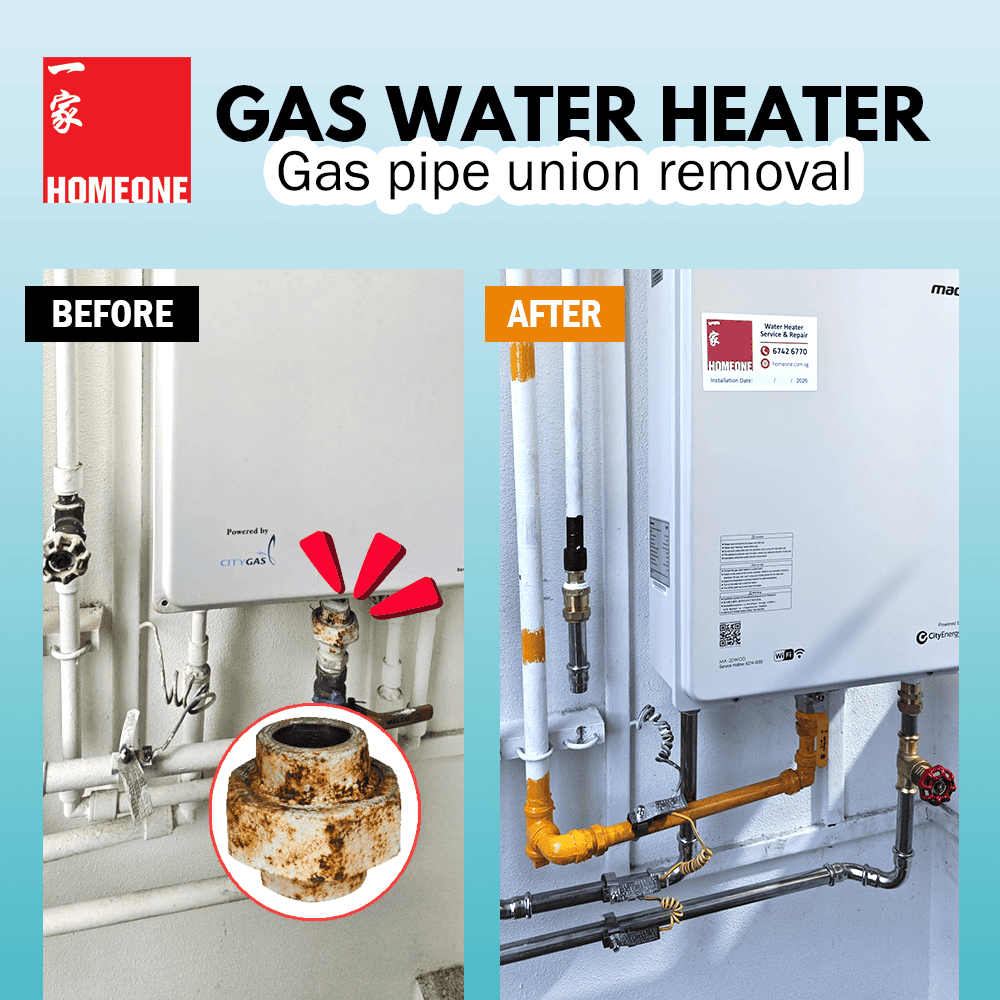
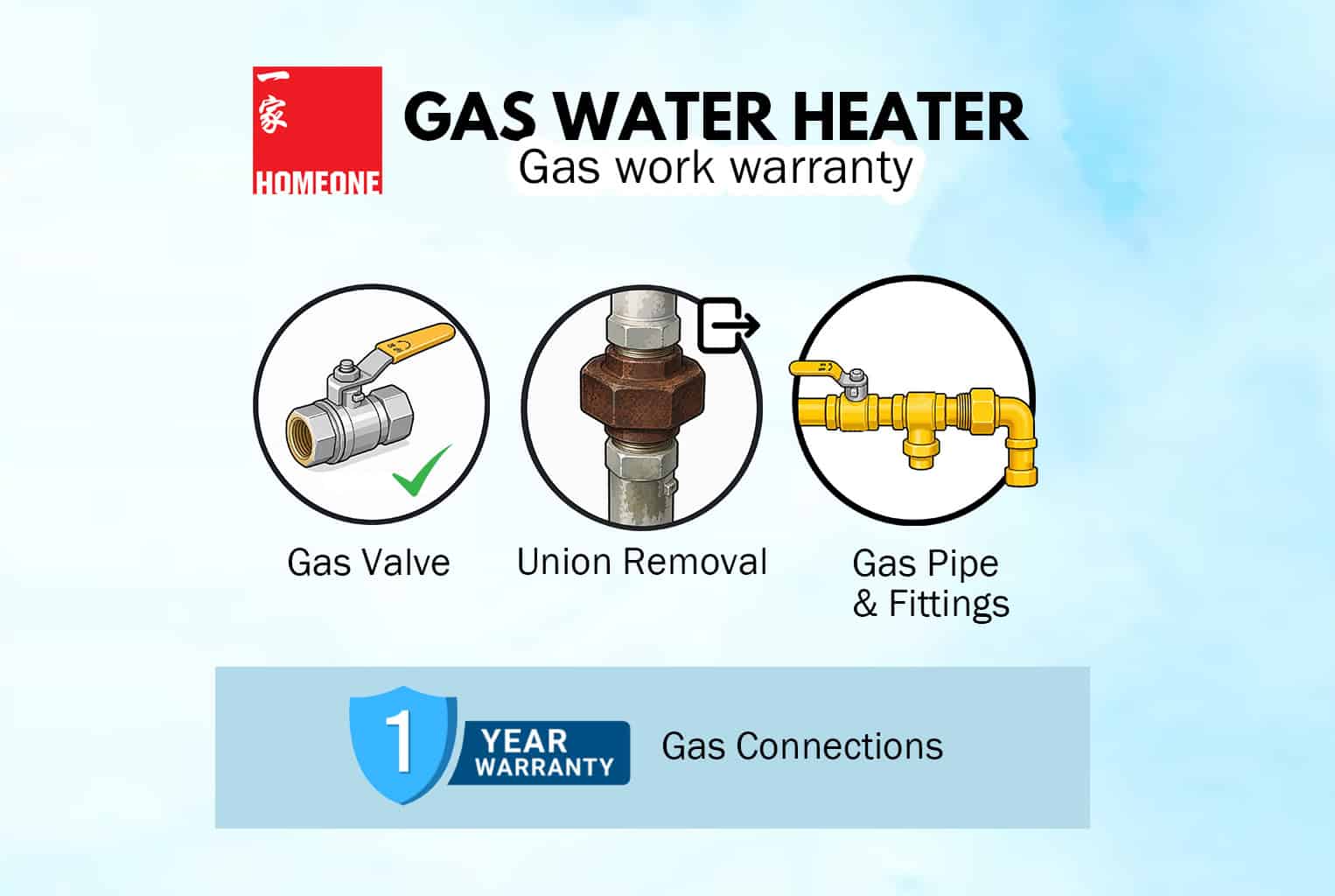
When the gas valve (S/N 4) is replaced and the union (S/N 5) is removed, the gas pipe section is already disconnected. The labour required to replace the pipe and all its fittings is essentially the same as the labour to reconnect the existing pipe — because every joint must be remade regardless.
Every fitting in the gas pipe section is a potential leak point. Whether copper compression fittings with deformed pipe ends, or GI threaded fittings with corroded threads — each old joint is a gamble at the final pressure test. Replacing every fitting means every joint in the section is new, sealed once with gas-rated sealant, and tested once. No old joints, no hidden leak points.
Why is it painted canary yellow?
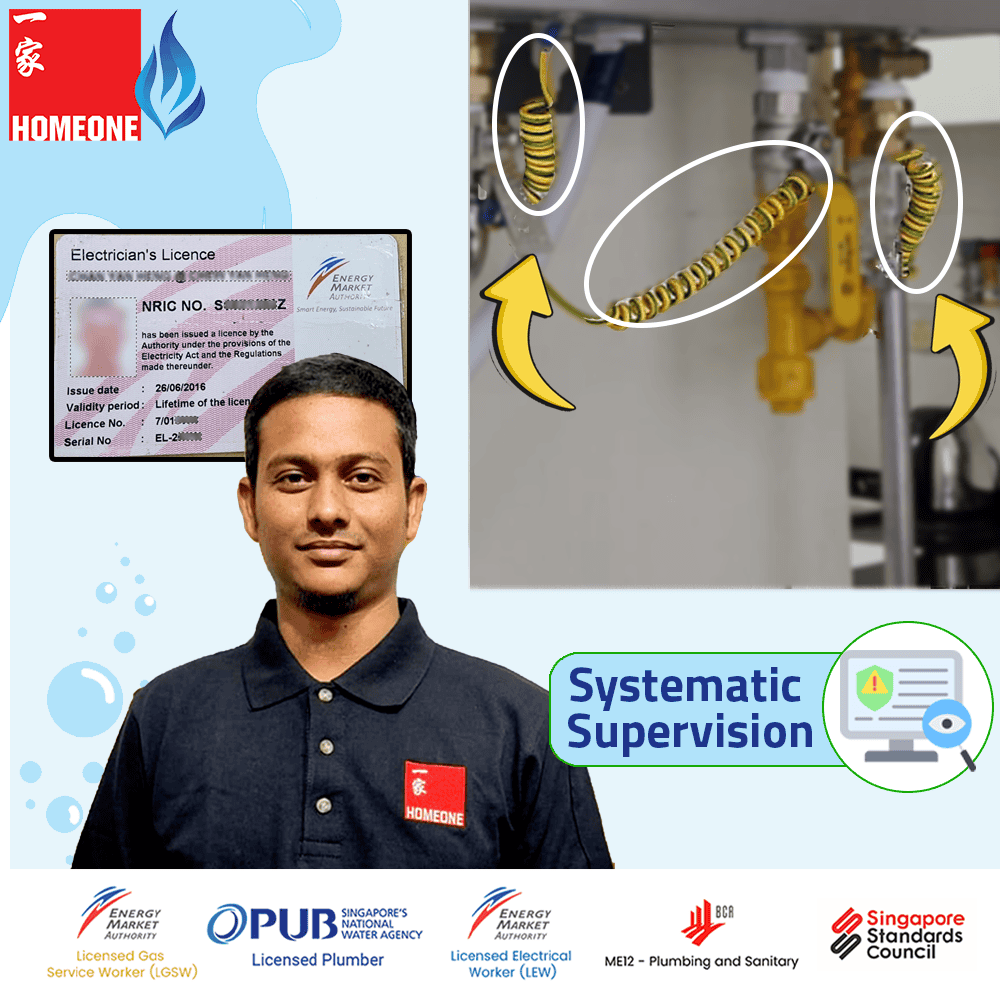
Under SS608:2024 Section 7(j), all gas pipes outside dwelling units must be painted canary yellow to colour code BS 381C number 309. This is a legal identification requirement. Homeone paints every new gas pipe section canary yellow as part of the standard replacement.
How we know it works
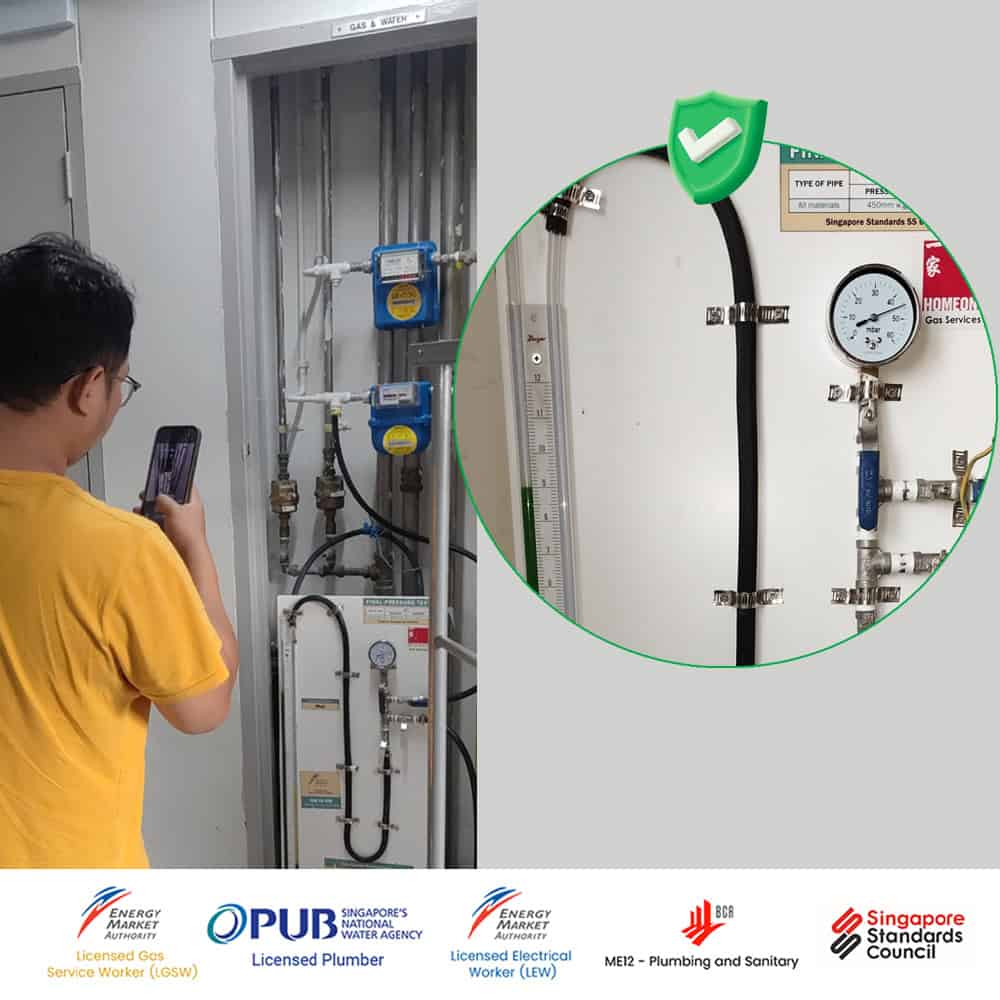
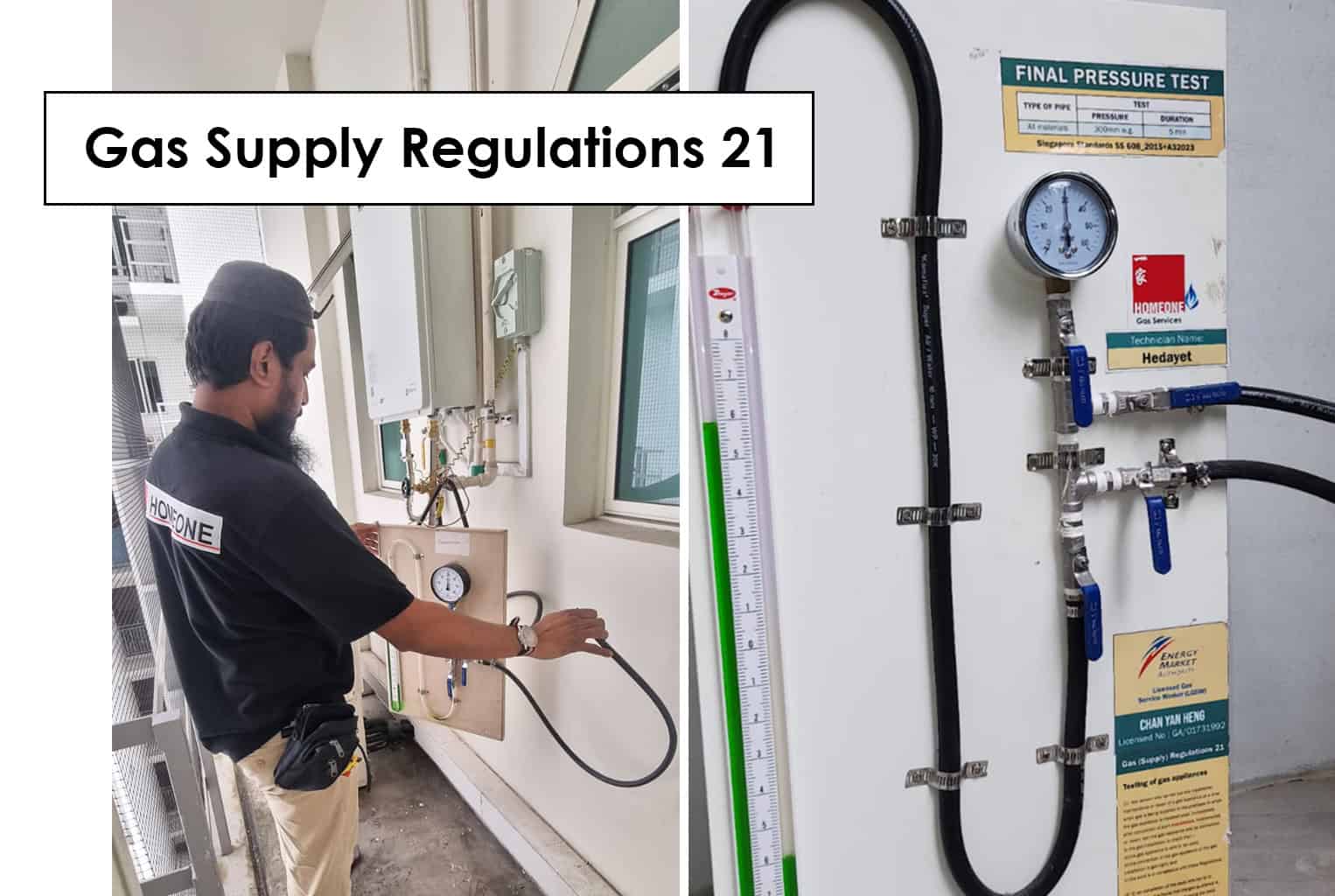
The entire gas pipe section — every new joint, every new fitting — is tested as part of the final pressure test. The line is pressurised and held. If the pressure drops at any point, there is a leak. New pipe with new fittings and proper gas-rated sealant passes consistently.
Why the charge is $50
The $50 covers not just the pipe but all new fittings within the section — elbows, connectors, reducers — plus the canary yellow paint, the labour to assemble the entire section with gas-rated sealant, and inclusion in the final pressure test and 1-year warranty.
| What you're paying for | What it means |
|---|---|
|
Material
|
New gas pipe section and all new fittings (elbows, connectors, reducers) plus canary yellow paint |
|
Skilled labour
|
Cut, thread, assemble, seal, and paint the complete pipe sectio |
|
Compliance
|
Painted canary yellow per SS608:2024 Section 7(j) and included in final pressure test |
|
1-year warranty
|
Covered under the gas work warranty — next business day response |
The bottom line
Whether your existing gas pipe is copper or galvanised iron, it cannot be reliably reused after being disturbed. Copper loses its round profile and won’t reseal in compression fittings. GI pipe corrodes internally and its threads degrade. Both fail the final pressure test at rates that make reuse operationally unacceptable.
We replace it on every job because the labour is already spent. The $50 buys new pipe, new fittings, and zero old joints.
Call Now +65 6742 6770
WhatsApp +65 88226770