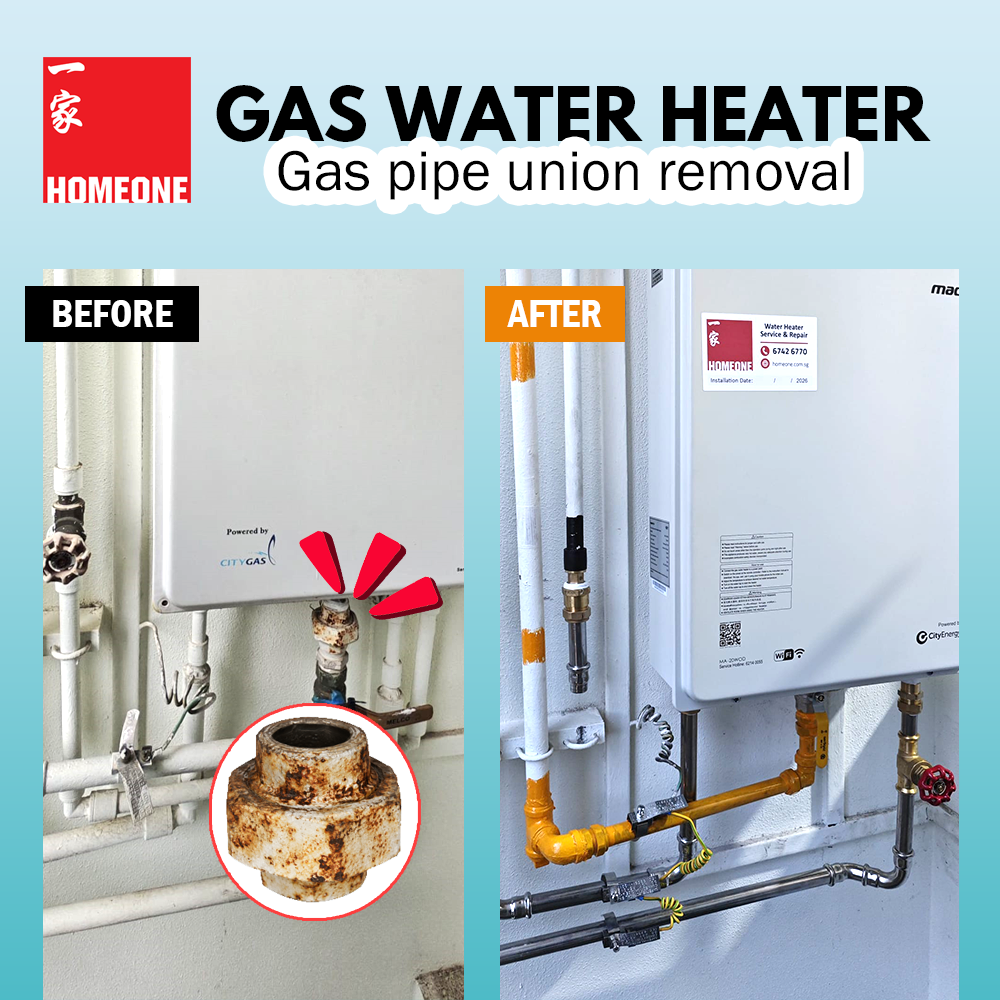
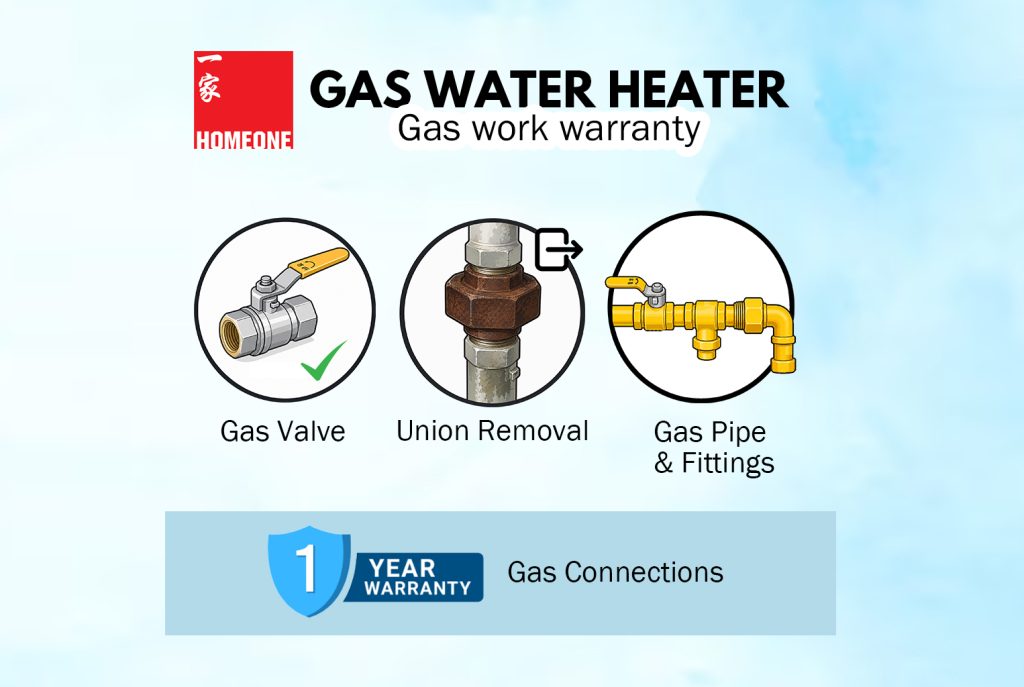
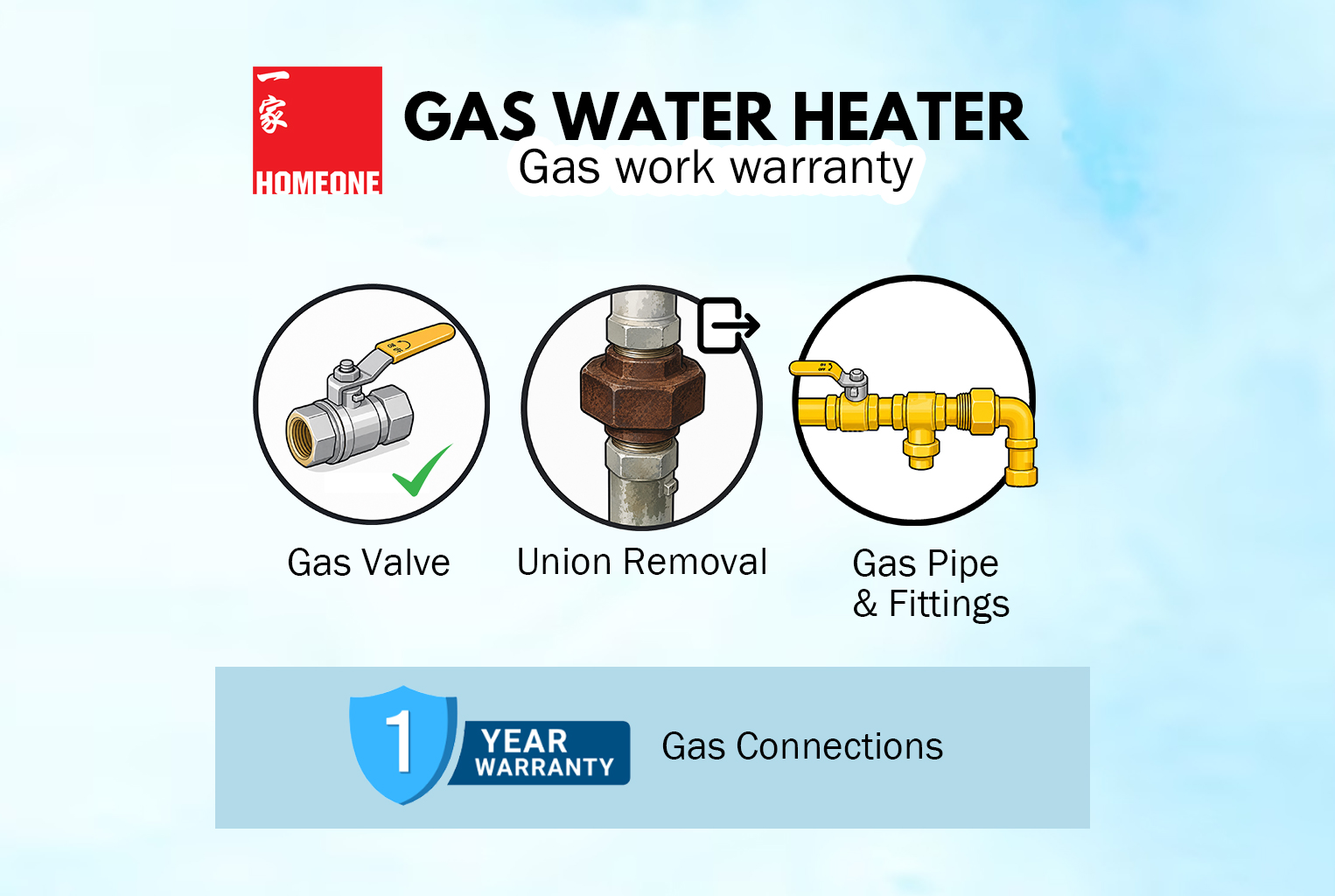
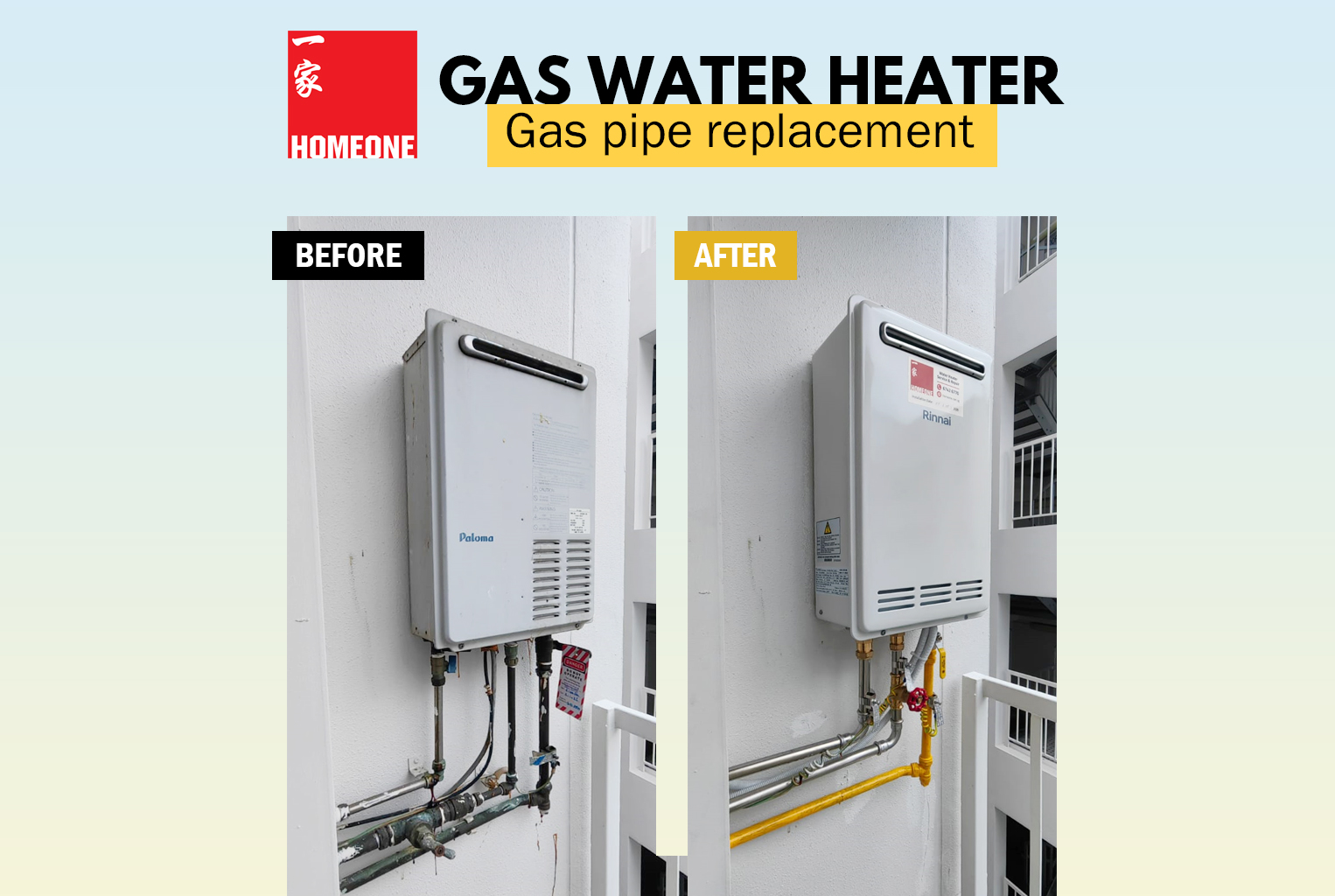
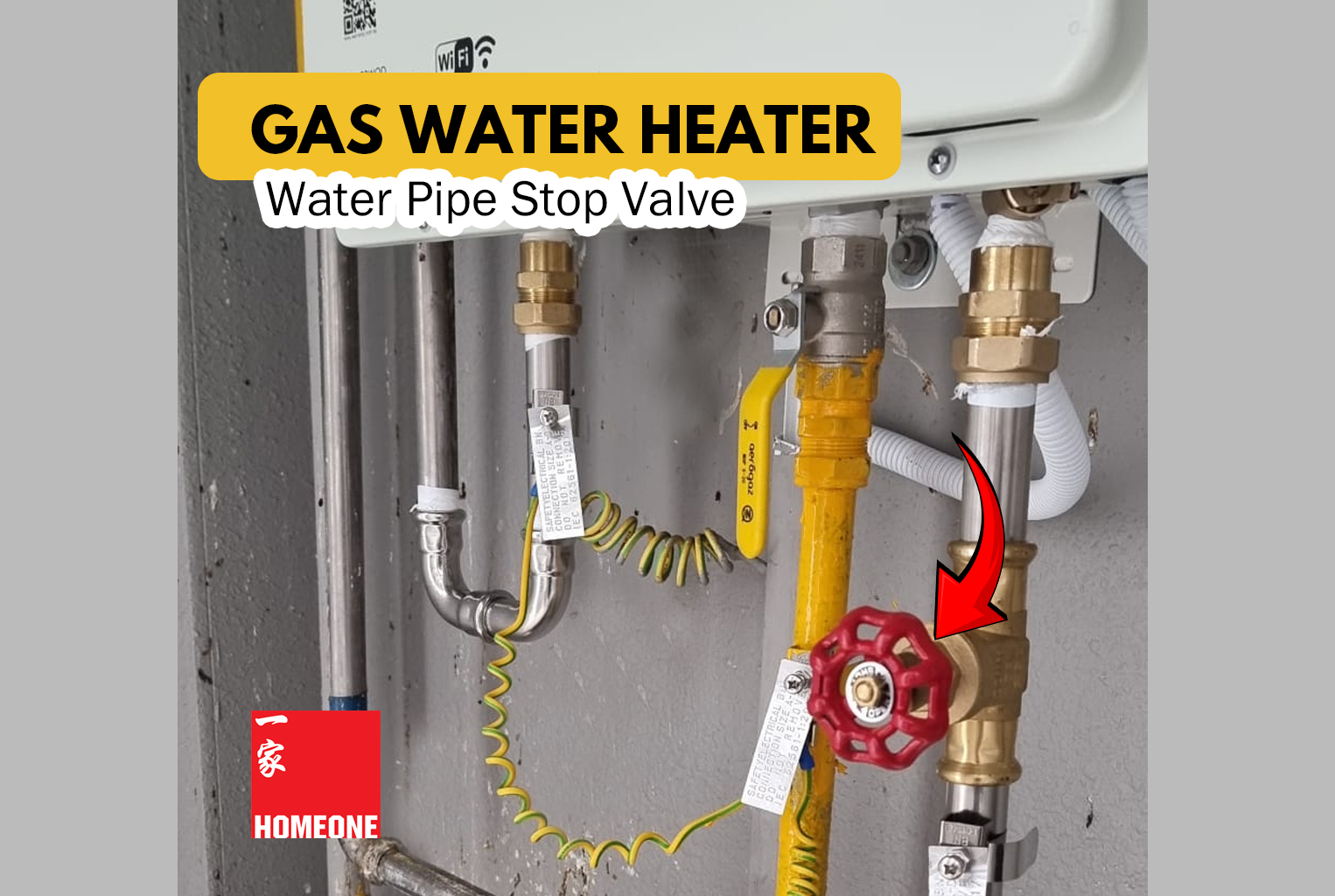
A Galvanised Iron (GI) union is commonly used to connect gas pipes to appliances like water heaters. It consists of three parts: two threaded ends and a central nut that joins them. Unions are preferred because they allow for easy disconnection and reconnection during maintenance or replacement of appliances.
How to Minimise the Risk of Leaks at the Union
Improper Installation:
If the union is not tightened correctly or aligned properly during installation, gaps can form, leading to gas leaks.
Over-tightening can damage the threads or crack the union, while under-tightening leaves room for gas to escape.
Wear and Tear:
Repeated disassembly and reassembly during replacements can wear down the threads or sealing surfaces of the union, compromising its integrity.
In cases where the gas heater replacement is already the third or fourth time, the wear and tear on the union may be too severe to continue using it safely.
Damaged or Worn Sealing Materials:
Unions often rely on sealing compounds (e.g., thread seal tape or pipe dope) to prevent leaks. If these materials are not reapplied correctly or are degraded, leaks can occur.
Corrosion:
Over time, GI unions can corrode, especially in humid or damp environments. Corrosion weakens the metal and can create tiny cracks or holes, increasing the risk of leaks.
Misalignment:
If the gas pipe and the water heater inlet are not perfectly aligned, stress is placed on the union, which can cause leaks over time.
Vibration or Movement:
Gas water heaters can vibrate during operation, which may loosen the union over time if it is not securely fastened.
Handyman Practices:
Unlicensed handymen often leave the union and other pipe fittings untouched during gas heater replacements, believing that no alteration of gas pipes is allowed without a licence.
They typically lack the skills, tools, or replacement parts to install a new union or remove the old one entirely.
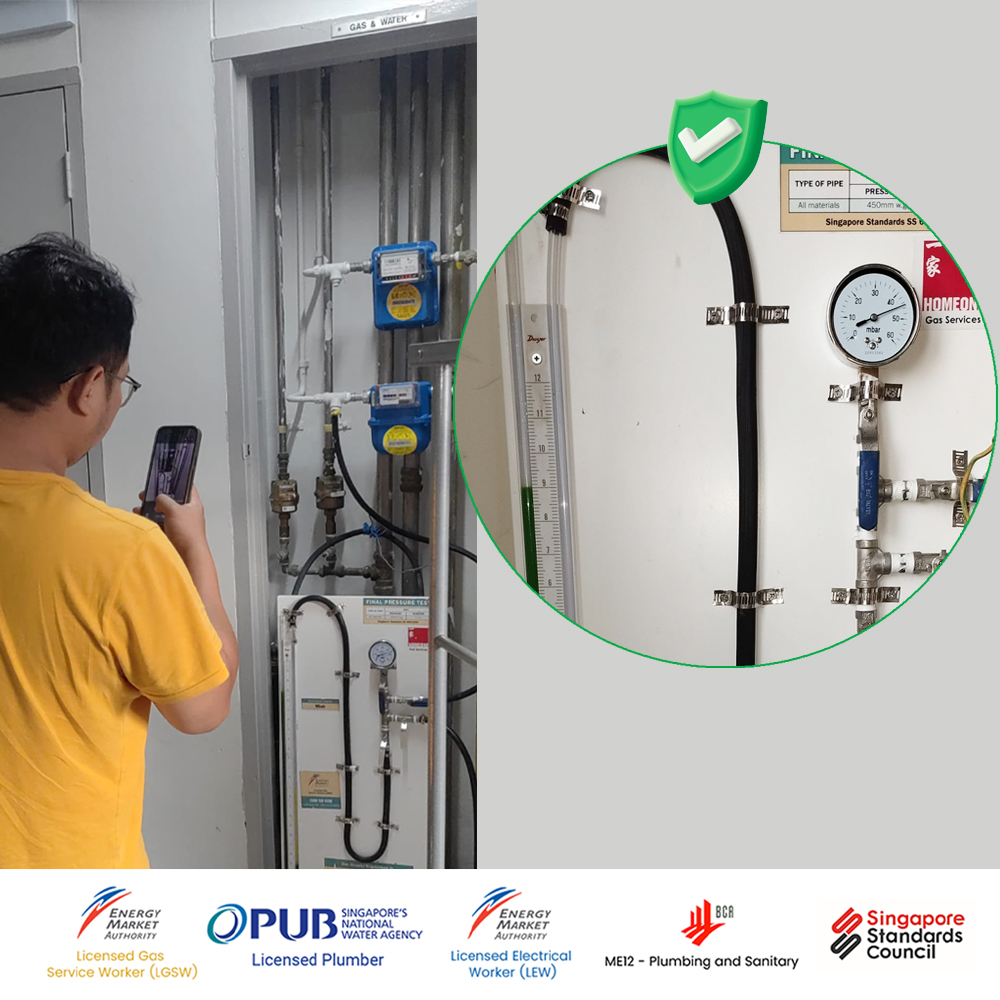
Without proper training, they are also unable to perform gas leak tests using methods like soap solution, gas detectors, or U-gauge tests.
Regulatory Non-Compliance:
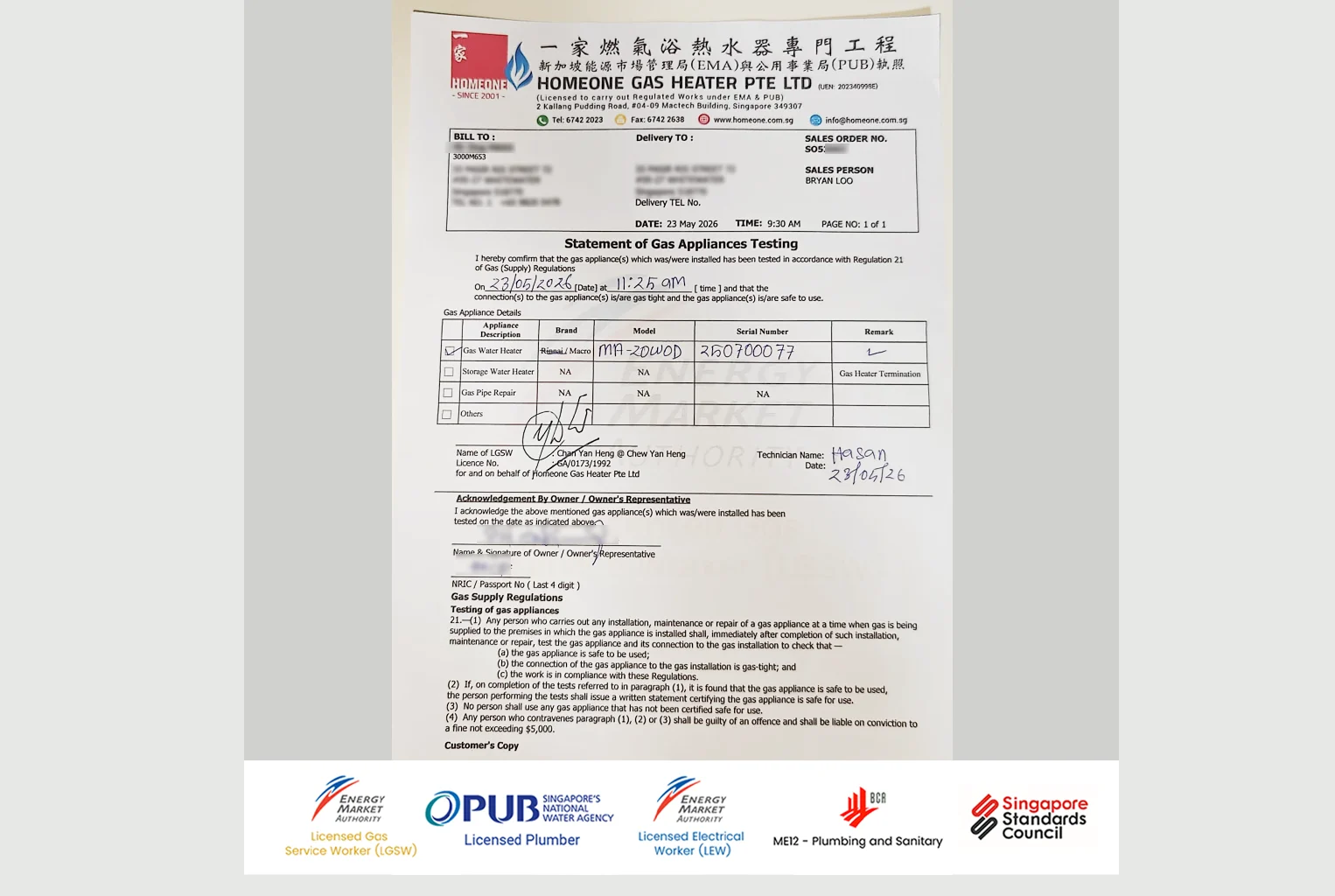
Unlicensed handymen cannot comply with Regulations 20 and 21 of the Gas (Supply) Regulations, which require proper testing and certification of gas installations.
As a result, they are unable to issue a Certificate of Safety confirming that the installation is safe for use.
How to Minimise the Risk of Leaks at the Union
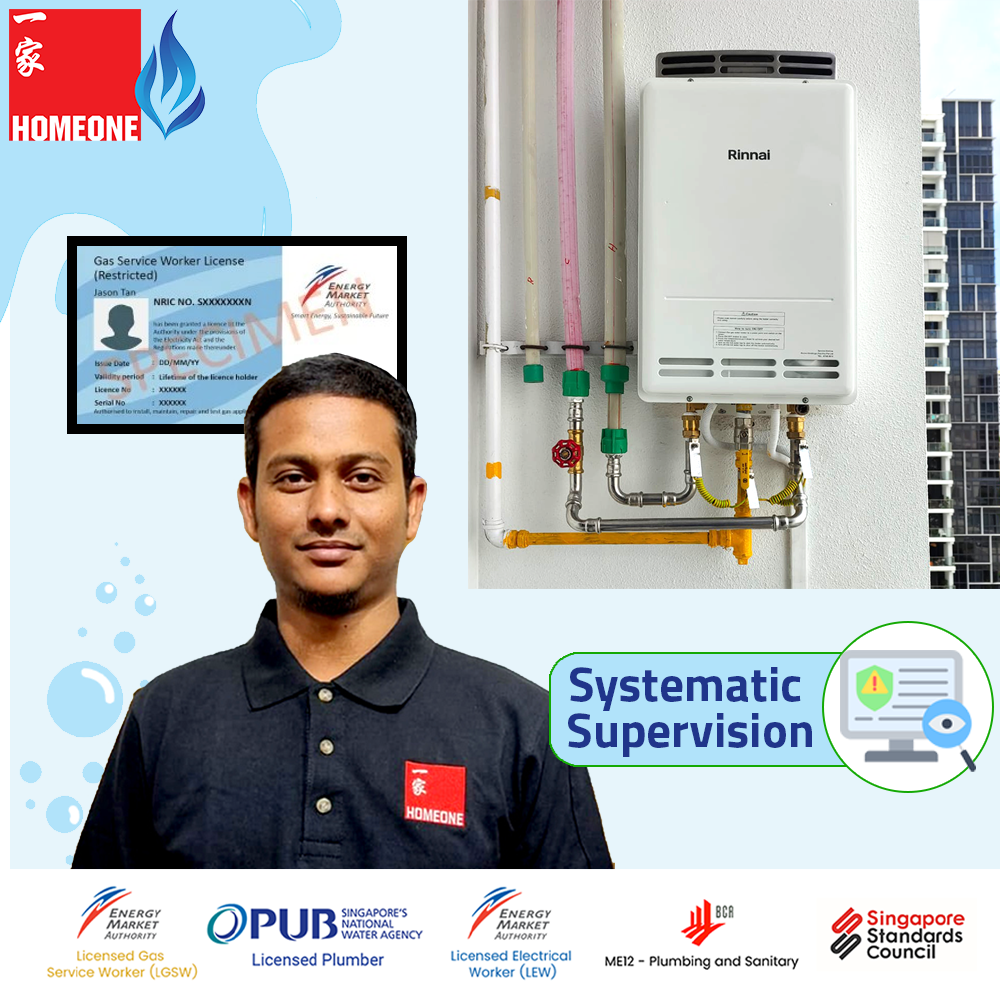
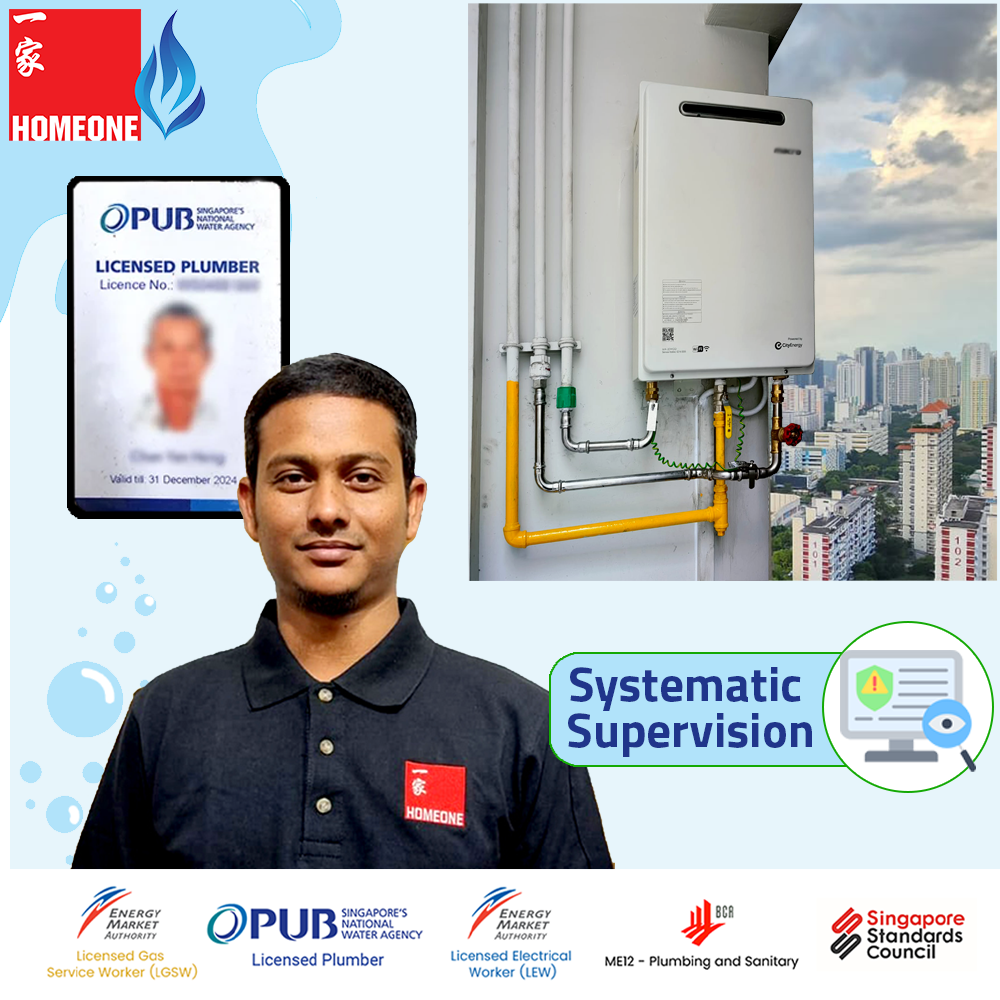
Engage a Licensed Gas Service Worker (LGSW):
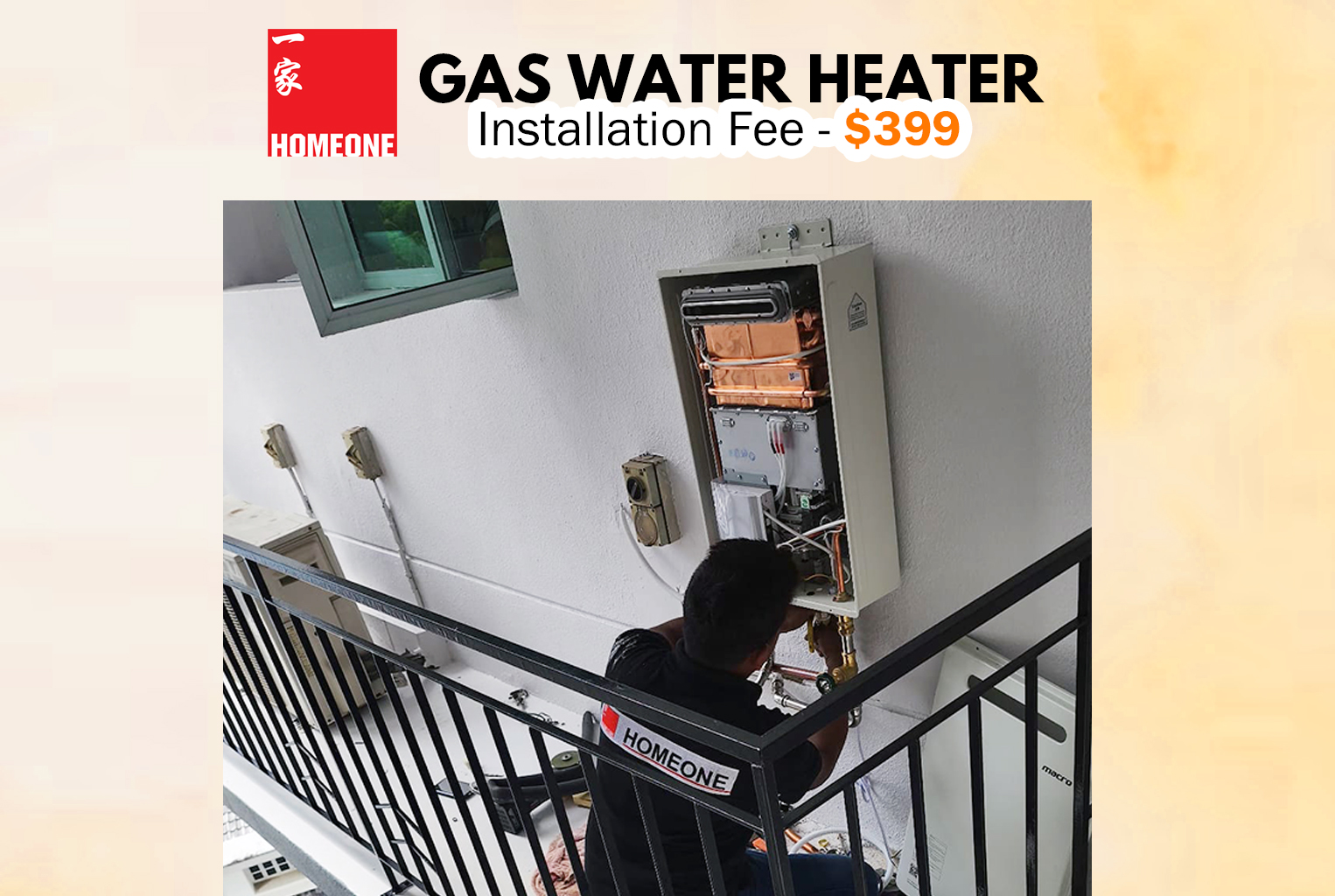
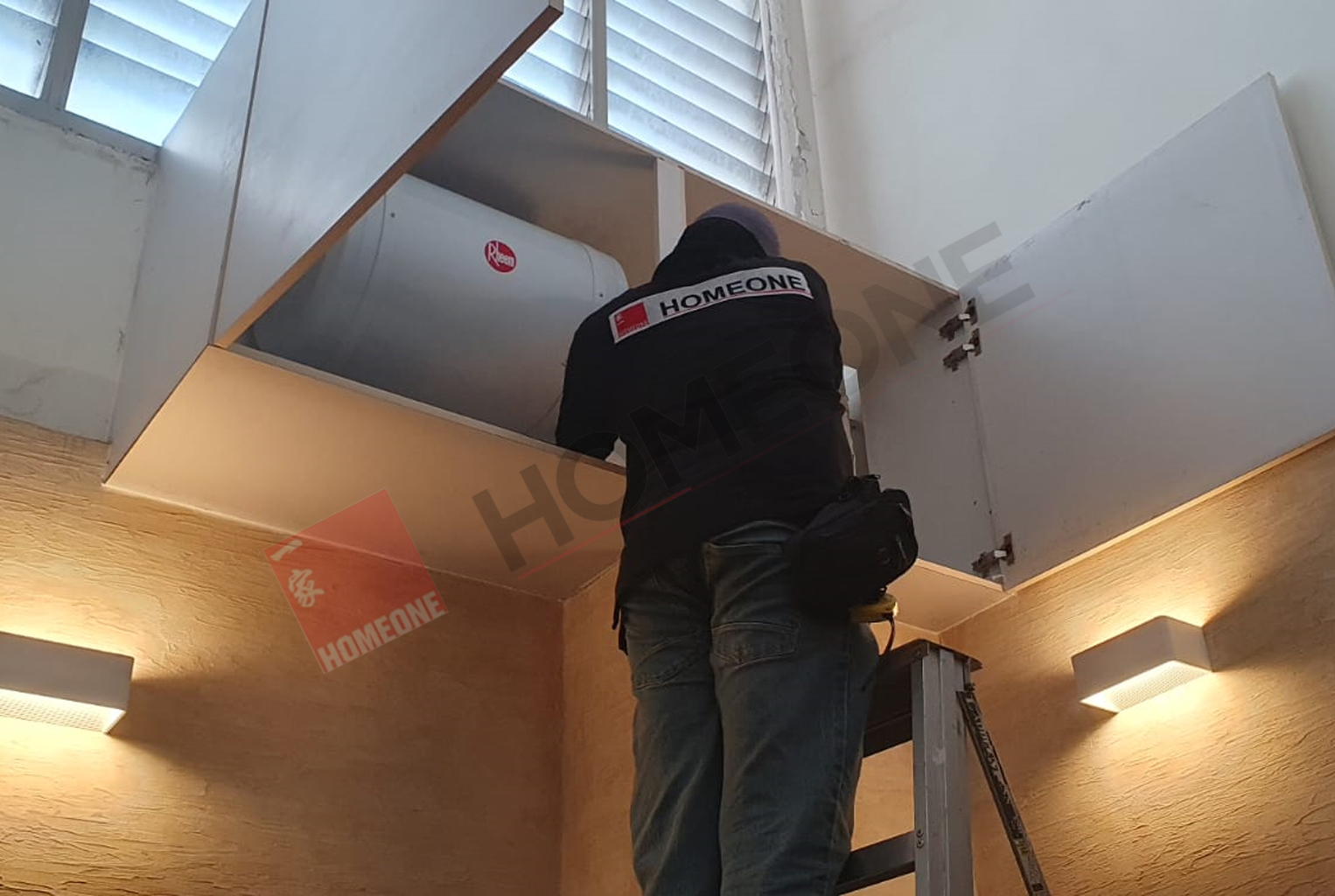
Always hire a licensed professional for gas heater replacements to ensure compliance with safety regulations and proper installation practices.
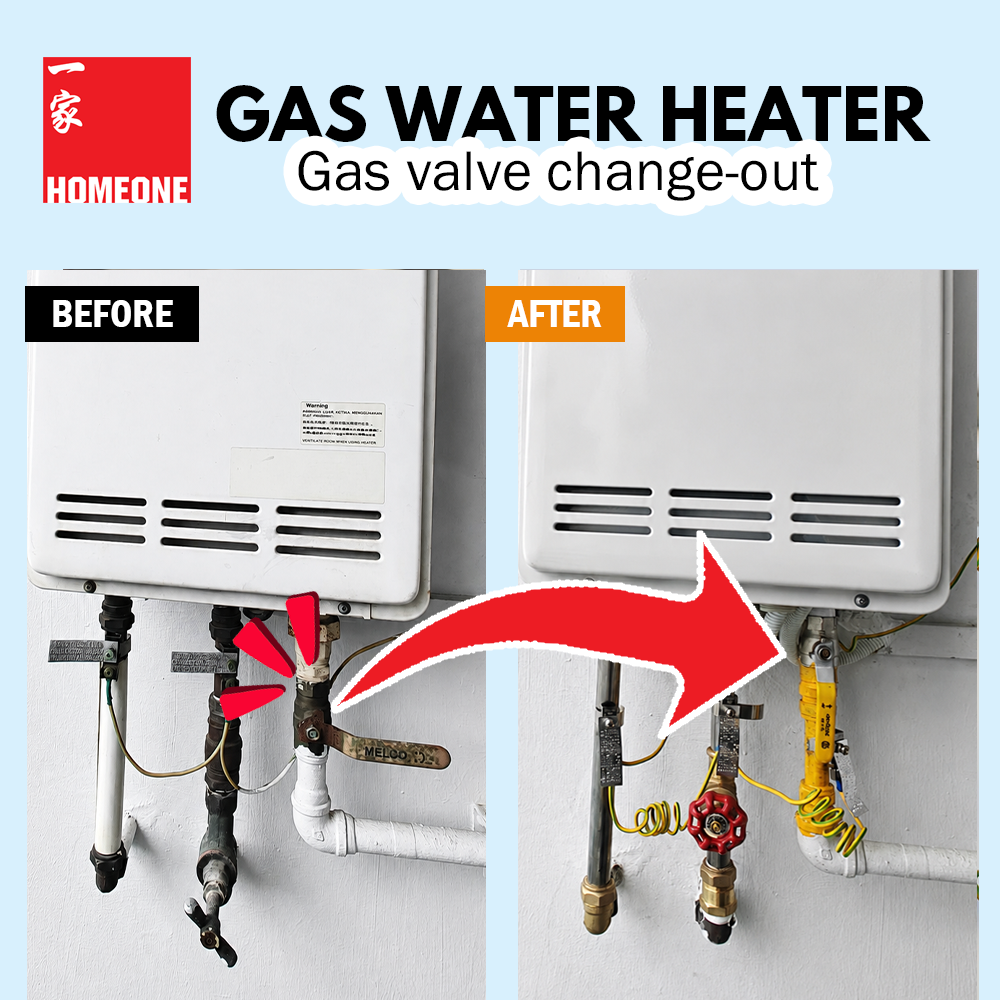
Replace Old Unions:
If the union has been used multiple times or shows signs of wear, replace it with a new one during the installation.
Proper Installation:
Ensure the union is tightened to the correct torque specification—neither too loose nor too tight.
Use a proper thread sealant (e.g., gas-rated thread tape or pipe dope) to create a secure seal.
Inspect the Union:
Before installation, check the union for signs of wear, corrosion, or damage. Replace it if necessary.
Align Pipes Correctly:
Ensure the gas pipe and water heater inlet are properly aligned to avoid stress on the union.
Test for Leaks:
After installation, perform a leak test using a gas detector, soap solution, or U-gauge test to confirm there are no leaks.
Regular Maintenance:
Periodically inspect the union for signs of corrosion, wear, or loosening, especially after replacing the water heater.
Use Quality Materials:
Opt for high-quality unions and sealing materials designed for gas applications.
While GI unions are convenient for connecting gas water heaters, their repeated use during replacements increases the risk of leaks due to wear, improper installation, or corrosion. Unlicensed handymen often exacerbate these risks by leaving old unions in place, lacking the skills to replace them, and being unable to perform proper leak tests or issue safety certifications.
To ensure safety and compliance, always engage a Licensed Gas Service Worker (LGSW) for gas heater replacements. They have the expertise, tools, and authority to perform the job correctly and issue the necessary certifications under Regulations 20 and 21.
If you suspect a gas leak or have concerns about your installation, contact a licensed professional immediately. Safety should always be the top priority when dealing with gas appliances.