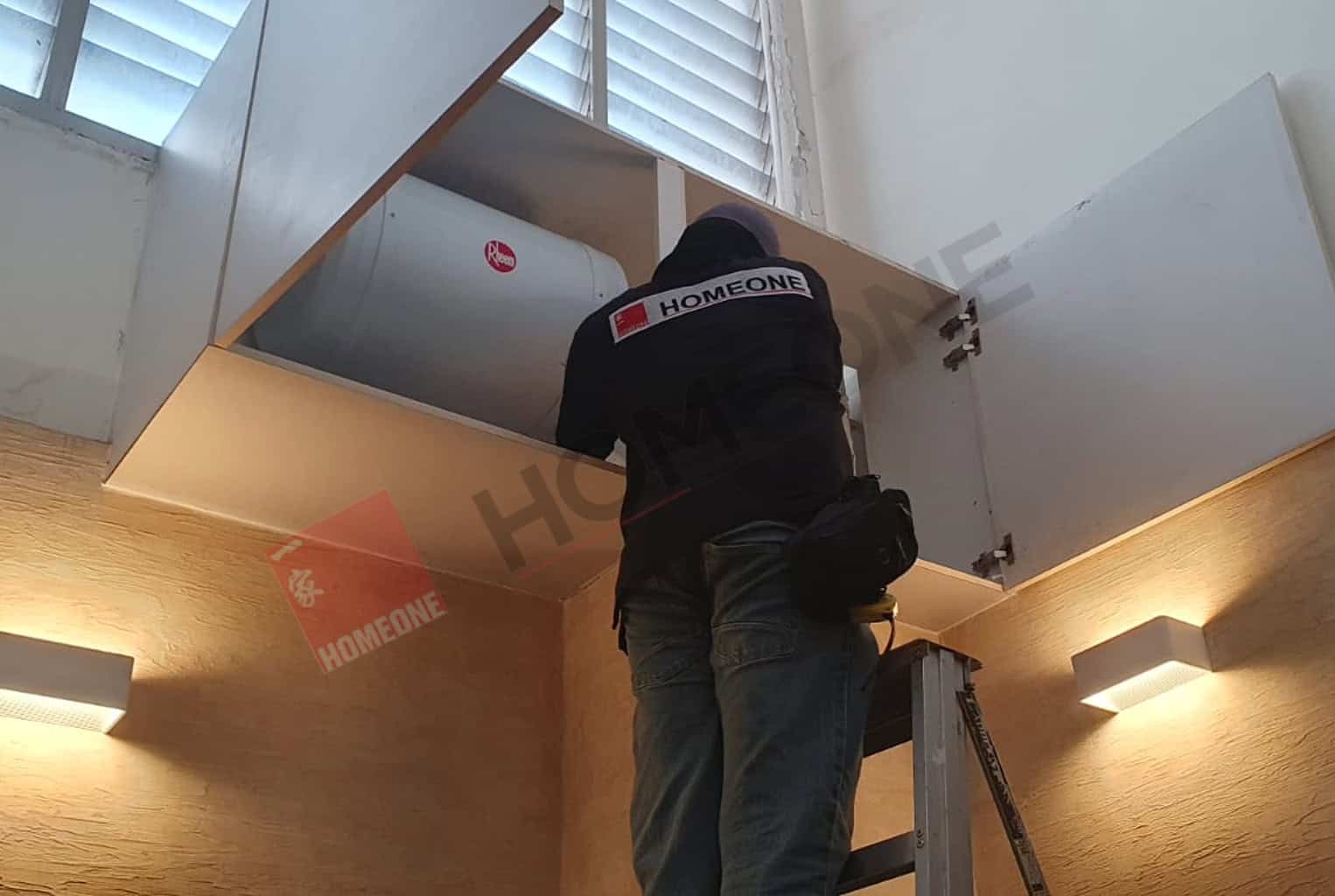
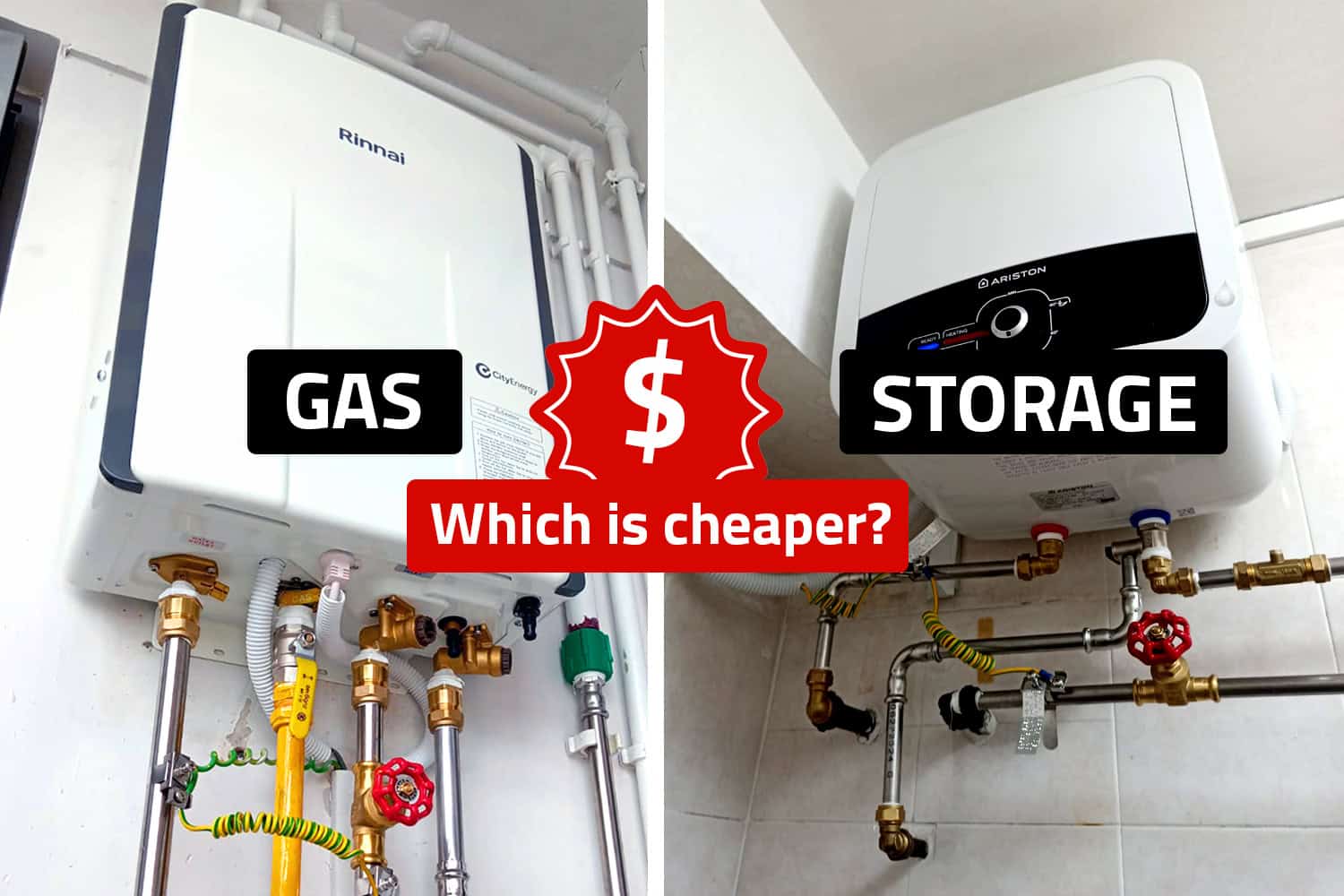
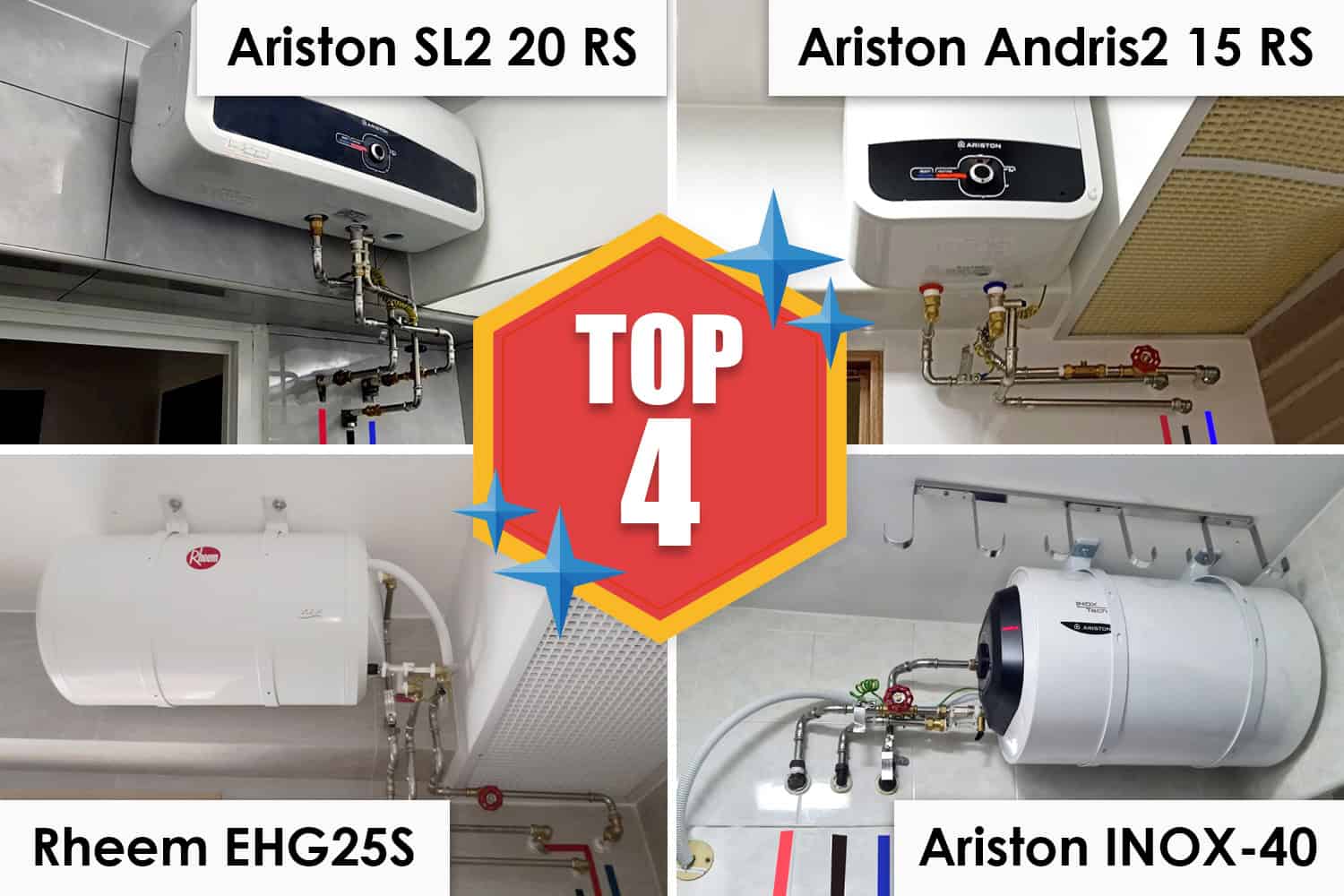
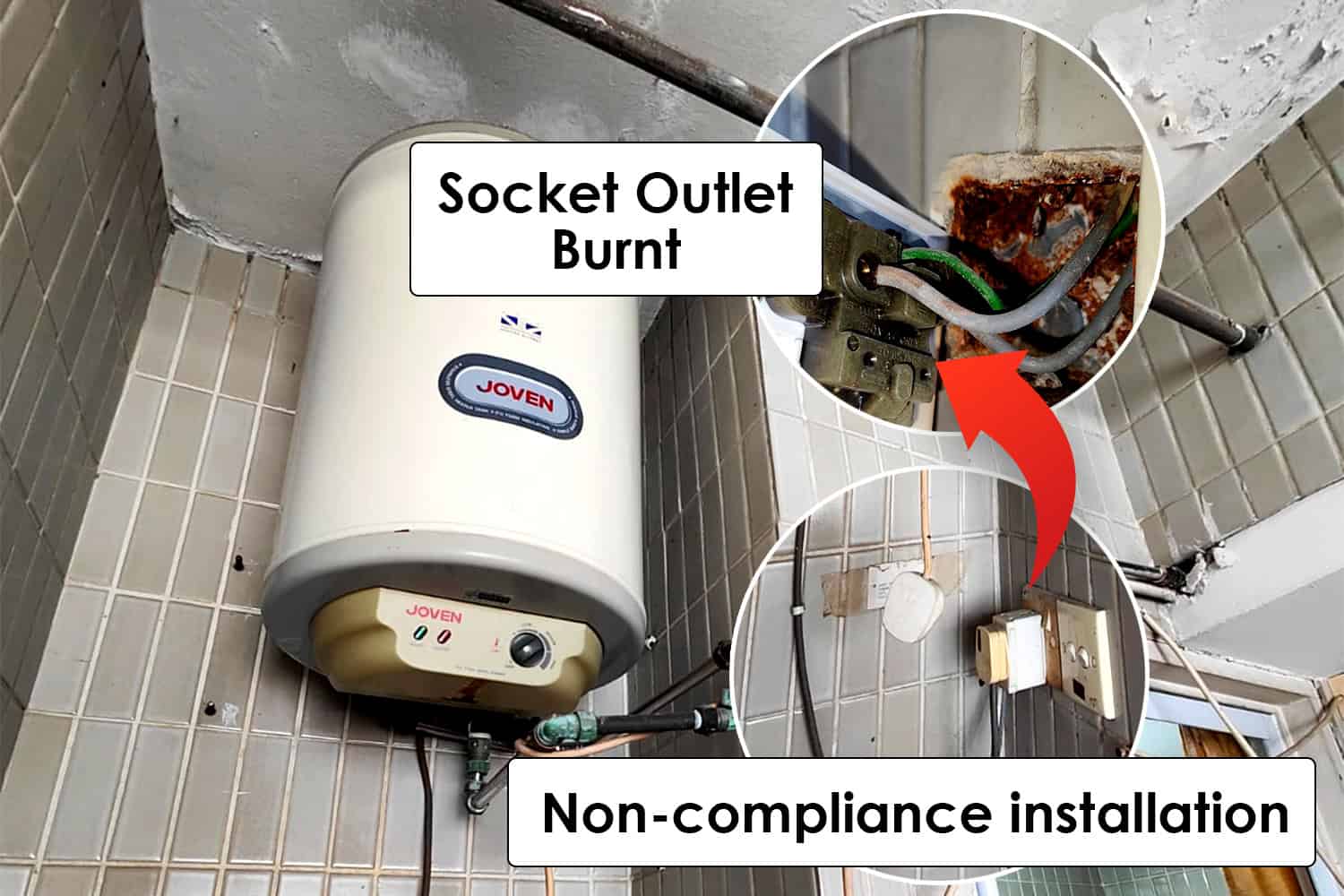
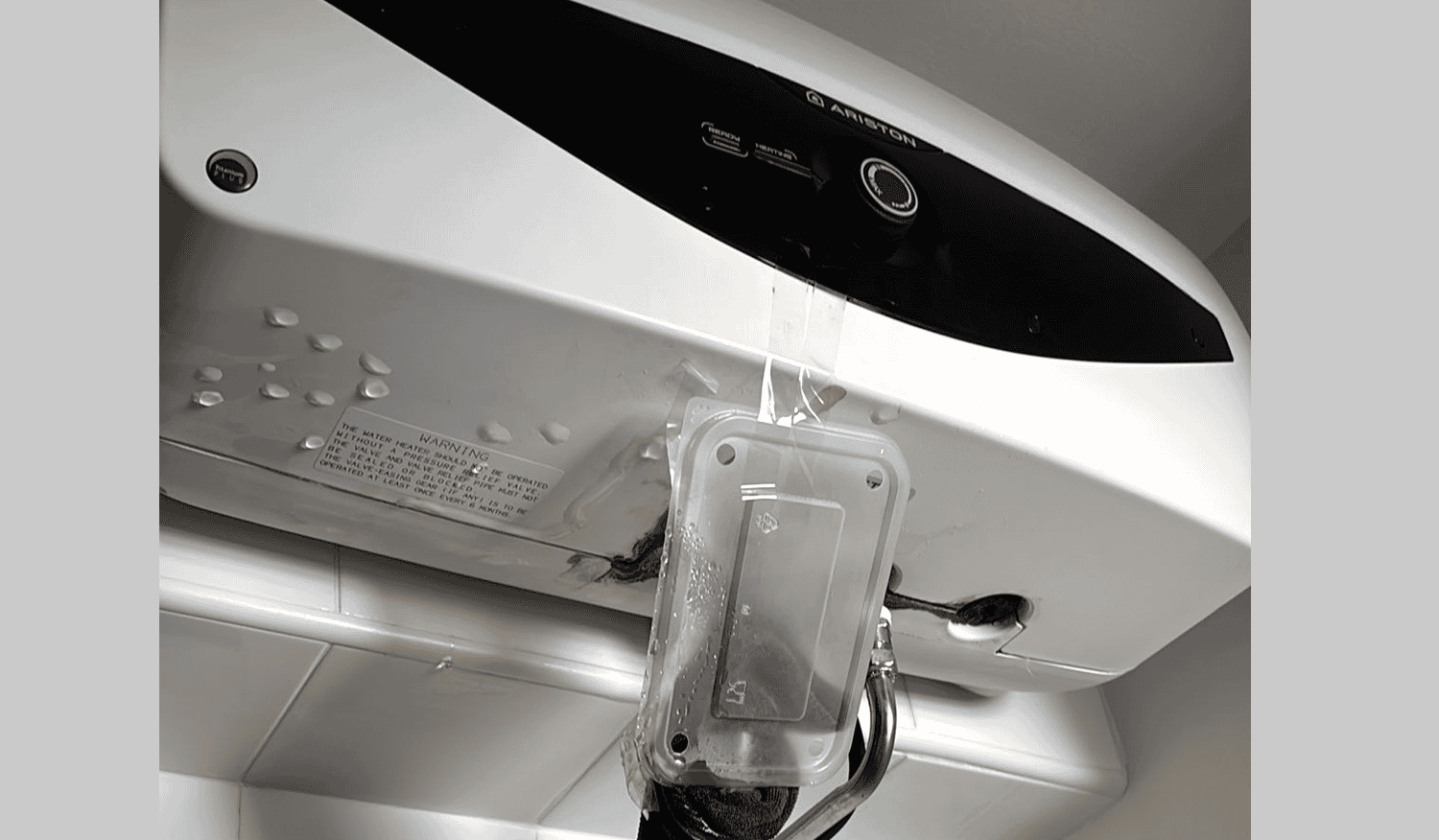
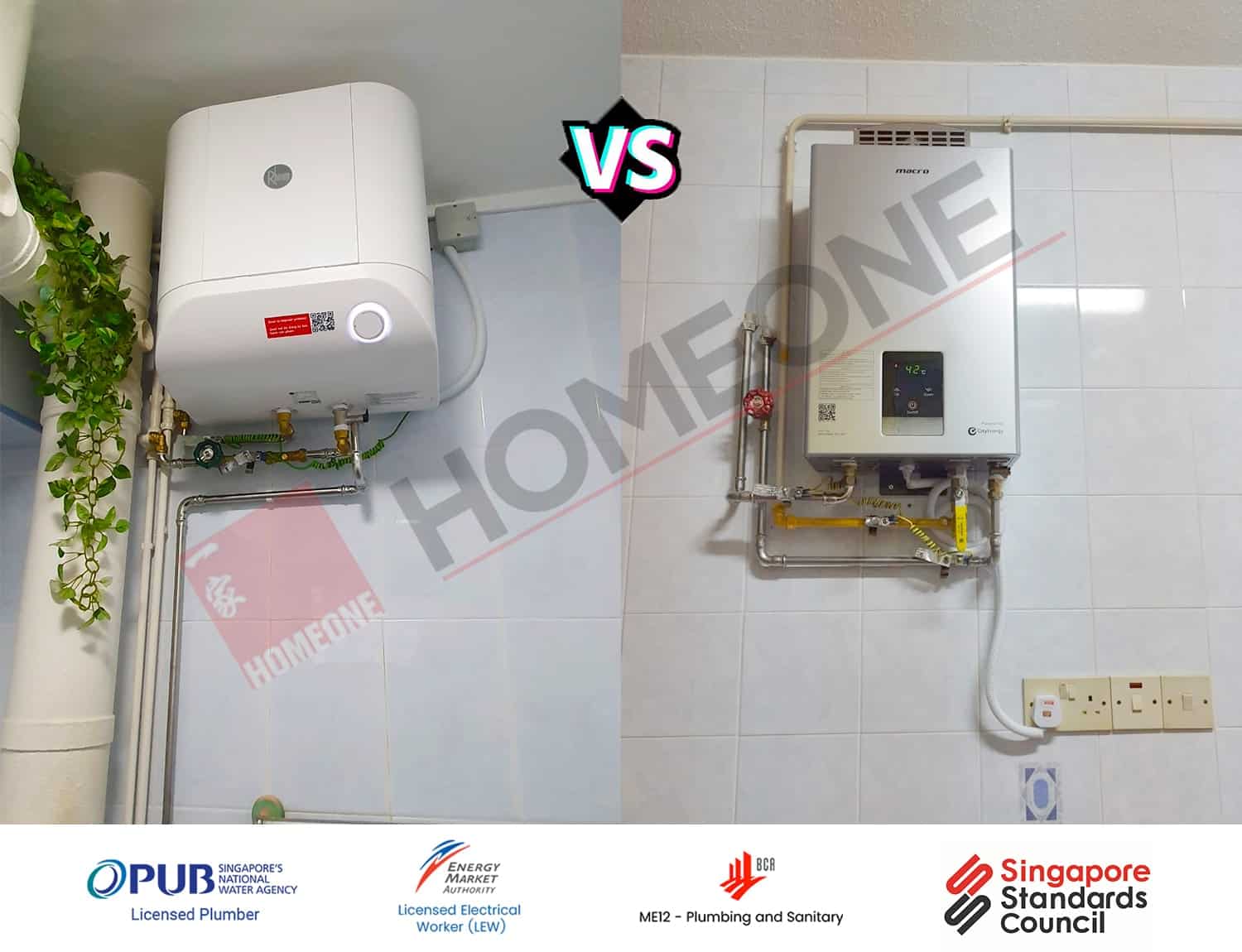
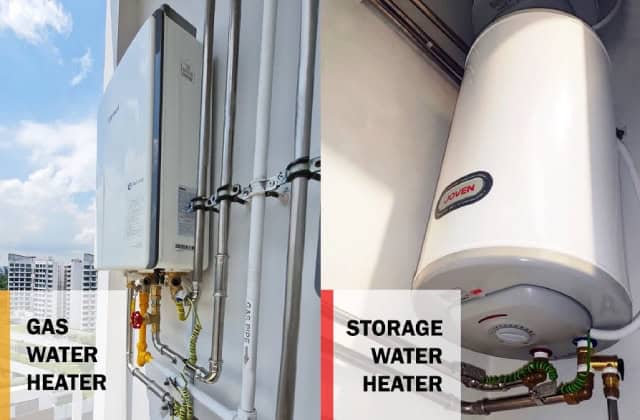
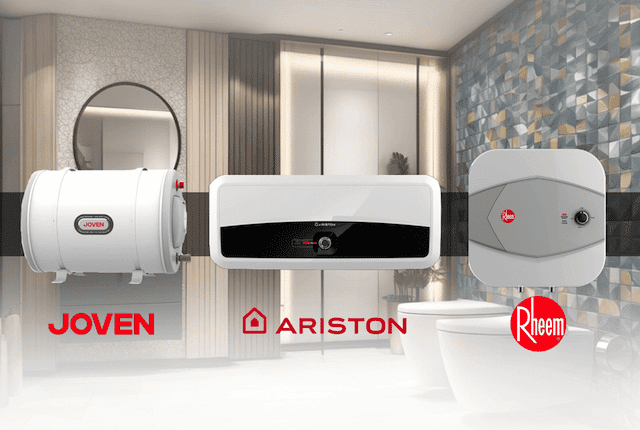
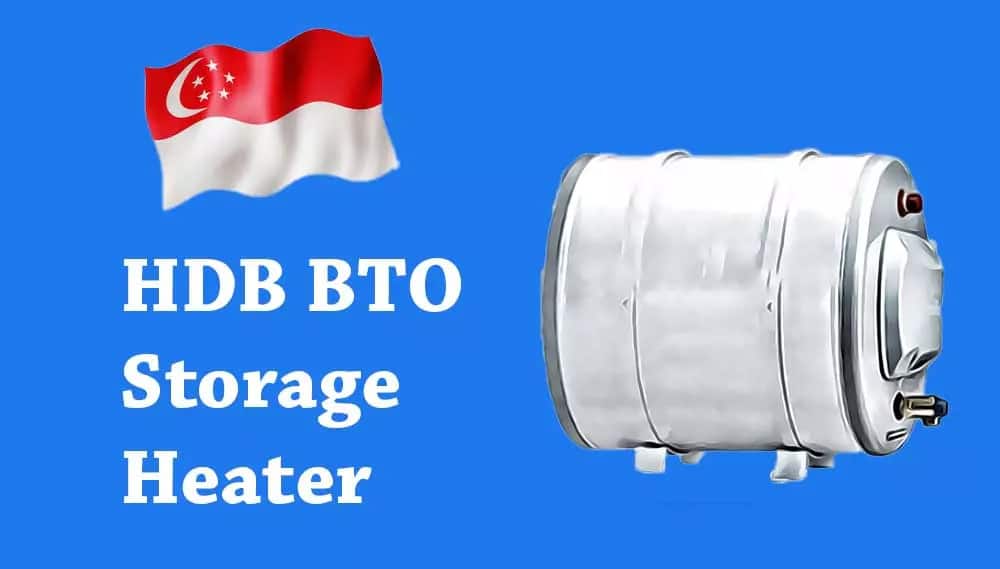
Electric Storage heaters, poses a high risk due to higher current draw typically 3000 watt but are well-protected when installed correctly with thermostat and pressure relief valves, grounding, and bonding.
Bonding is critically important in water heater and electrical safety systems—especially for storage water heaters with metallic plumbing (Singapore Standards SS638 411.3.1.2L Protective equipotential bonding)—for the following key reasons:
⚡ 1. Shock Hazard Prevention
Bonding ensures all exposed metal parts (e.g., water pipes, heater casing, taps) are at the same electrical potential.
If there’s a fault (e.g. live wire touches metal), the bonded system gives electricity a safe path back to ground, tripping the circuit breaker (MCB) or RCCB.
Without bonding, touching two parts at different voltages (like a shower mixer and floor) can result in electric shock or electrocution.
🔥 2. Fire Hazard Reduction
Fault current flowing through unbonded paths (e.g., water pipe joints, wet walls) can cause arcing or overheating, leading to fire.
Proper bonding allows large fault currents to flow safely to ground and cause rapid disconnection, avoiding damage.
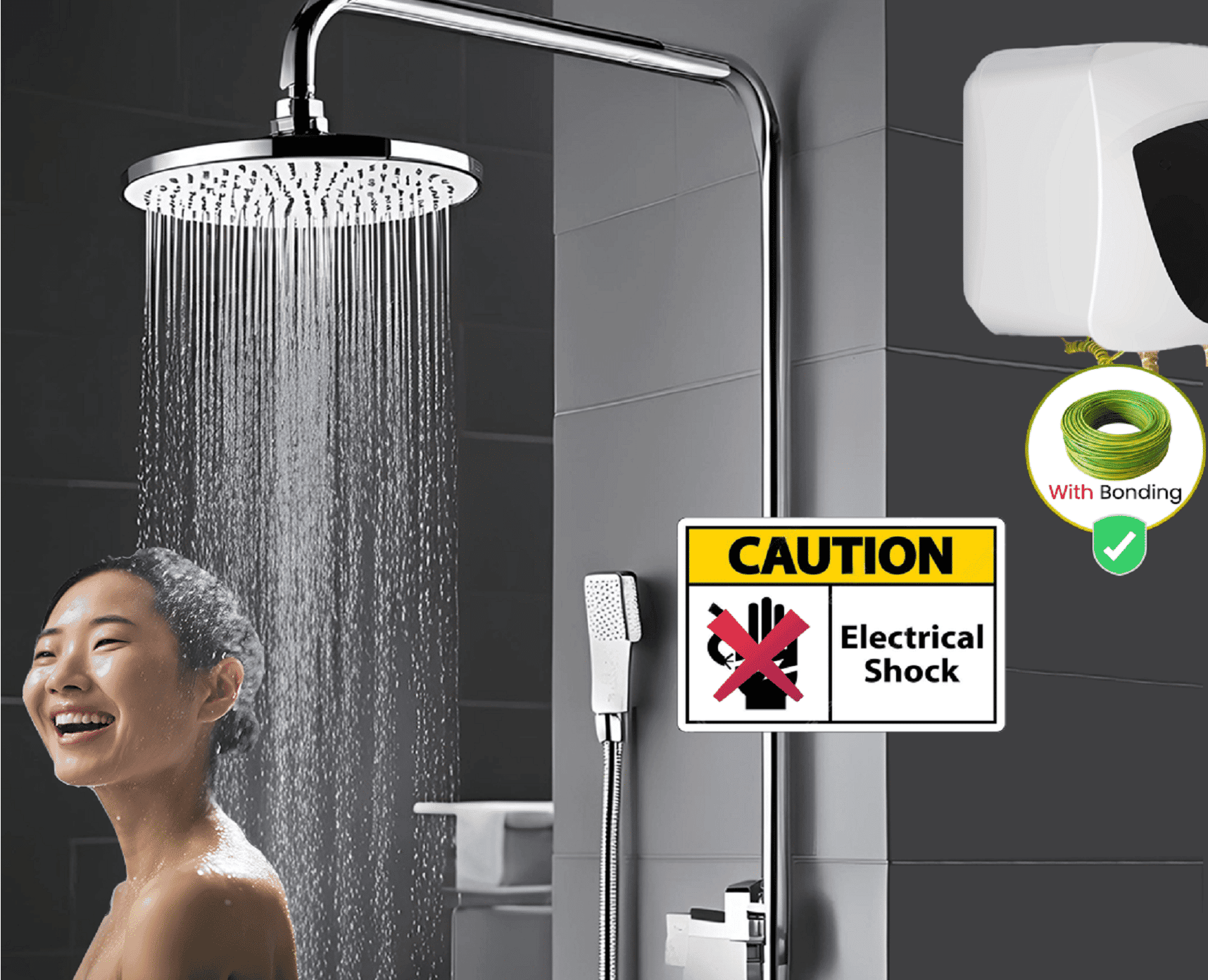
🚿 3. Water + Electricity = Danger
Water heaters are in wet areas (bathrooms, kitchens) where the risk of electric shock is higher due to:
Wet skin lowering resistance
Contact with earthed surfaces like floors, drains, taps.
Bonding ensures even if there’s a fault, you won’t become the conductor through which current travels.
⚙️ 4. Ensures RCCB Functions Correctly
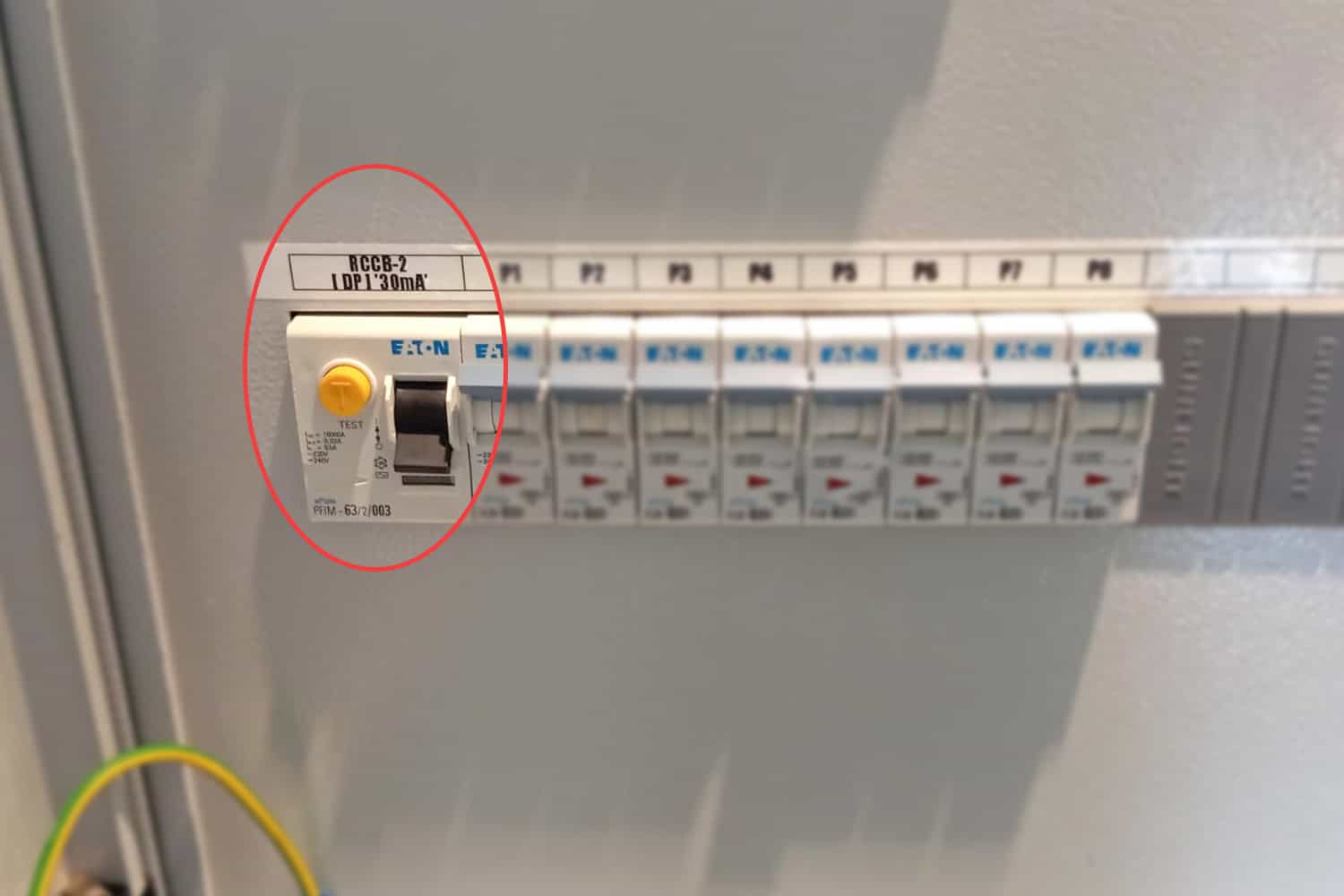
Residual Current Circuit Breaker RCCBs trip when they detect leakage current to earth.
If bonding is absent or broken, fault current may not flow back via the expected path, causing the RCCB not to trip—a silent danger.
🏗️ 5. Regulatory & Inspection Requirement
In Singapore and most jurisdictions:
Bonding of metallic water pipes, storage water heaters, and bathroom fittings is mandatory under code.
It’s a key inspection point during LEW (Licensed Electrical Worker) or PUB checks.
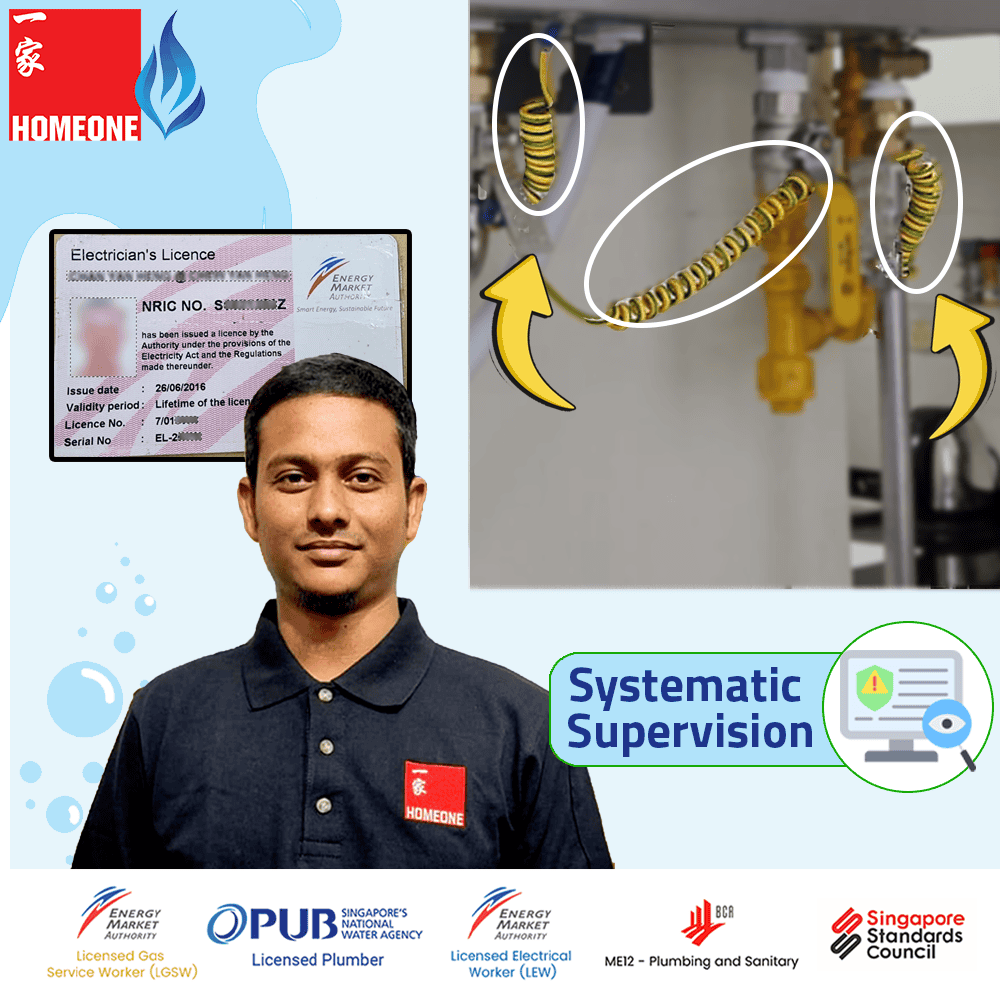
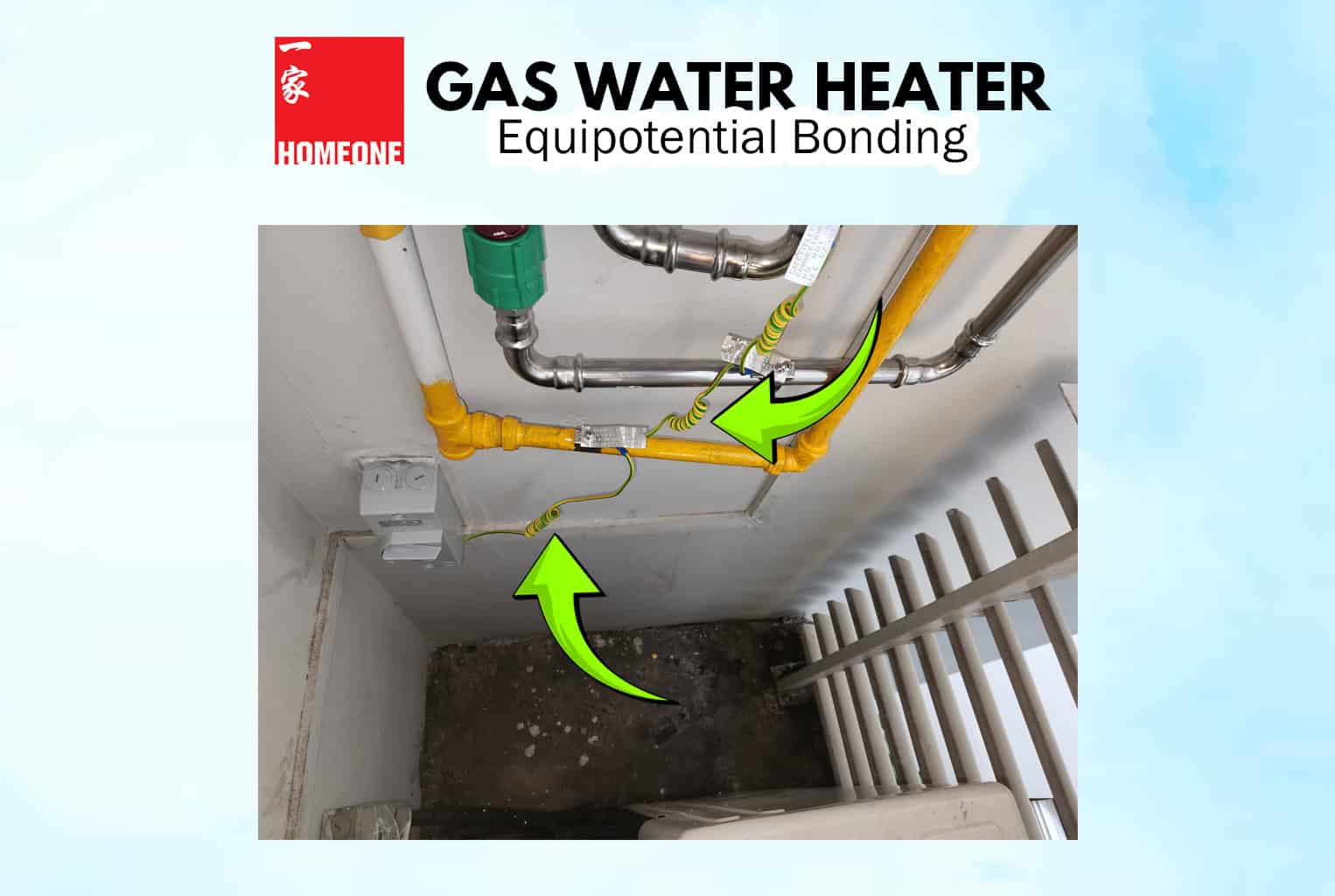
Green-yellow bonding wire is typically run from the heater casing to nearby metal water pipe or earth bar.
Bonding conductor. A protective conductor providing equipotential bonding.
✅ Real-World Example
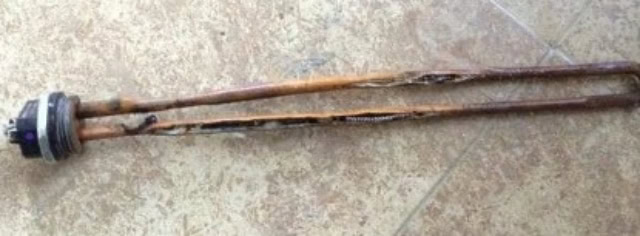
If the internal element of a heater fails and touches the metal casing:
With bonding: Current flows through the bonding wire → Earth → Breaker trips → You are safe.
Without bonding: Heater metal becomes live → You touch it while wet → Current passes through you → Electric shock or death.
🛠️ Summary: Why Bonding is Crucial
Purpose
Equalises potential
Provides fault path
Protects in wet zones
Complements RCCB
Legal and safety code
✅ Benefit
Prevents shock
Ensures fast disconnection
Essential in bathrooms/kitchens
Makes protection work as intended
Mandatory under electrical regulations
If you’re installing or checking a storage water heater, make sure:
Bonding wire (min. 2.5mm² green-yellow) is present
Terminations are tight and clean
It’s connected to earth bar or earthed metallic piping
Disclaimer: The codes and references cited in this article are extracted from SS 638 and are provided solely for educational and general awareness purposes. Readers are advised to consult the full standard or engage a Licensed Electrical Worker (LEW) for detailed interpretation or application.
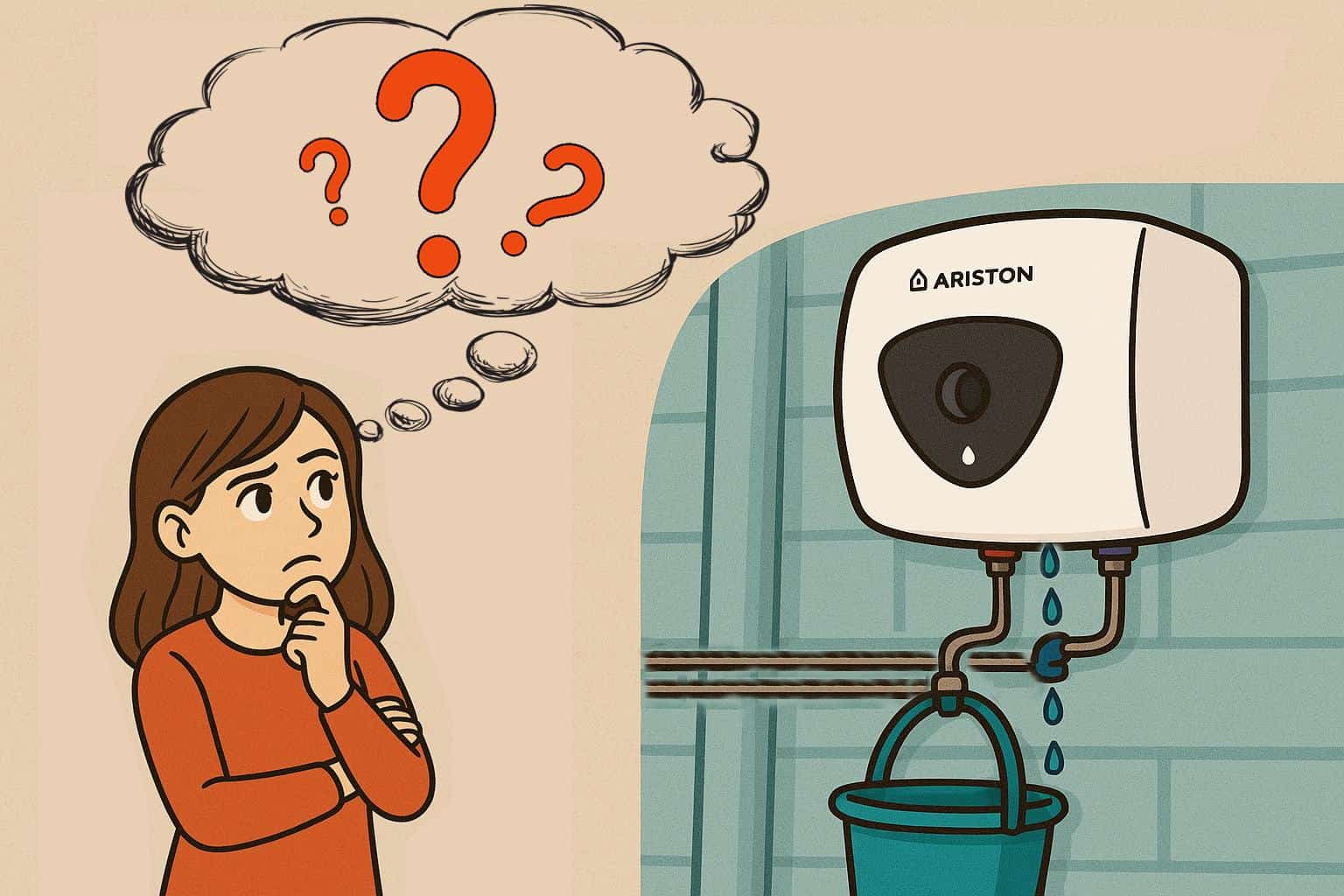
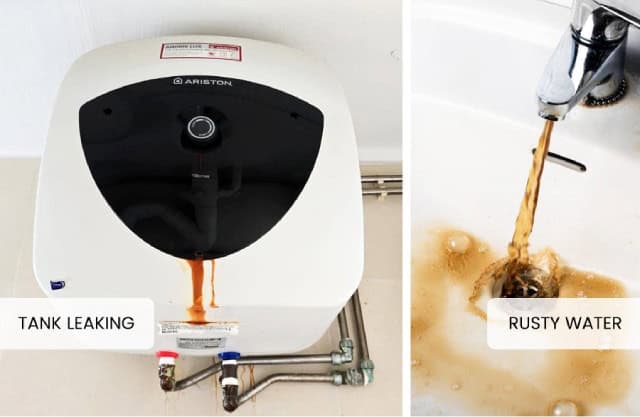
Homeone provides PUB-licensed and EMA-licensed storage water heater installation, replacement, and repair services, including leaking heater repair. All works include submission of the Certificate of Satisfactory Completion (CSC) for Water Service Installation (Urgent Repairs/Minor Works) to PUB, as required.
Homeone declares that the completed water service installation, together with the associated electrical equipment, has been tested and is safe for operation. This is achieved, among other measures, through the inclusion of equipotential bonding, which connects the heater’s metallic parts to the electrical grounding system in compliance with Singapore Standard SS 638 and EMA regulations. This is a mandatory safety measure to prevent the risk of electrocution when a user comes into contact with metal fittings during shower use.
In accordance with Section 67(1) of the Electricity Act 2001 , no company may declare a storage water heater installation as safe without certifying its electrical compliance. Failure to comply constitutes an offence and may result in a fine of up to $50,000, imprisonment for up to 3 years, or both, under the Section 83 of the Electricity Act 2001.
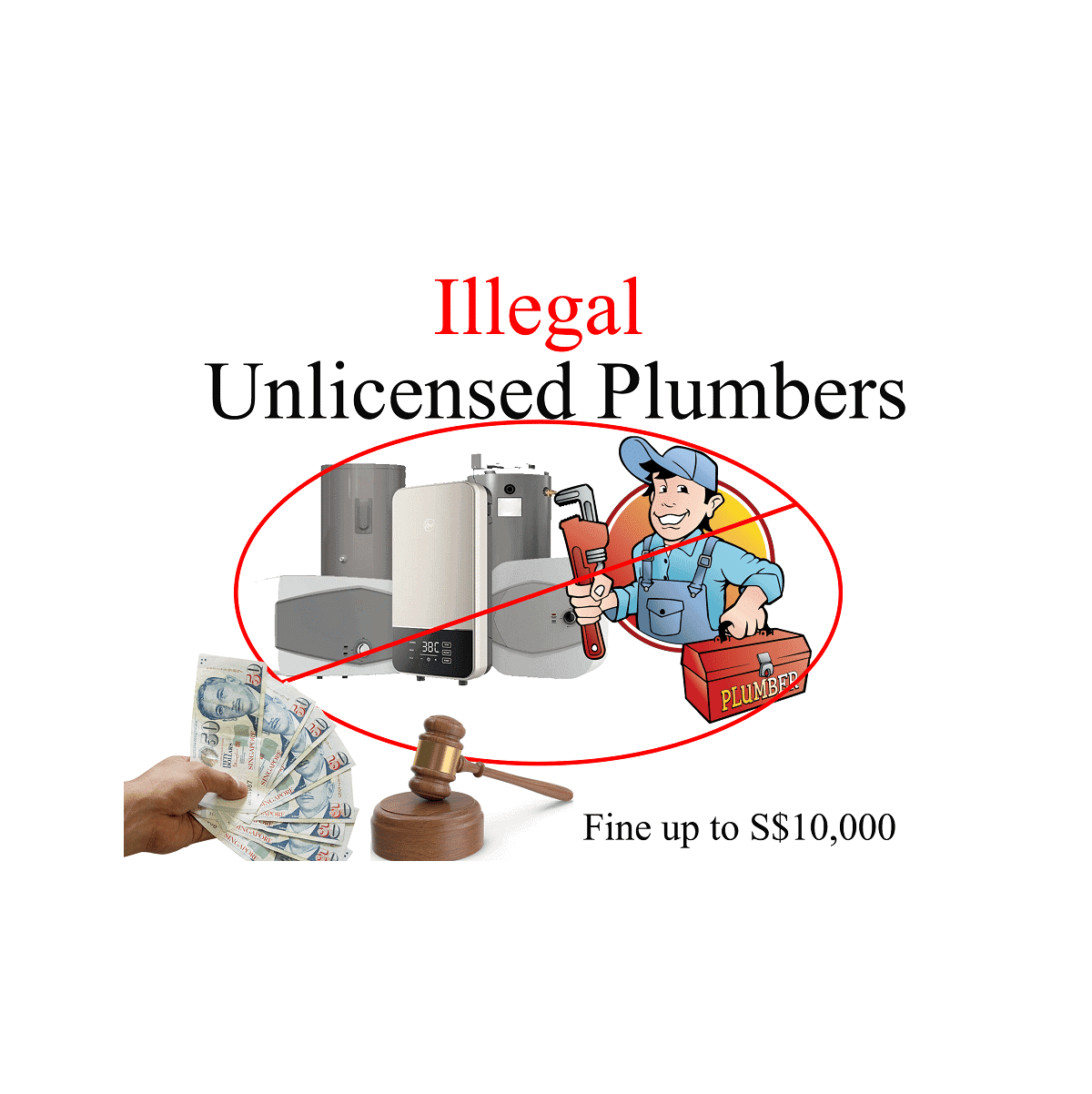
Engaging unlicensed individuals or companies for such regulated work may also void your insurance coverage, as most policies include general exception clauses that deny claims arising from wilful acts, gross negligence, or the use of unlicensed workers.
For safe, compliant, and insurance-aligned installation and repair of storage water heaters, engage Homeone today.