

Gas Heater Fire Explosion?
Singapore's trusted LGSW-supervised specialists for identifying explosion risks in gas water heaters — faulty fittings, gas leaks, and unserviced units that have become a fire hazard. Full portfolio of verified inspection and replacement cases.
If you suspect a gas leak or fire risk, do not touch the unit. Turn off the gas isolator immediately, leave the area, and call City Gas. Do not attempt to inspect or restart the heater yourself.
Could Your Gas Heater Become Dangerous?
Gas heater explosions are rare, but warning signs should never be ignored. Many dangerous situations start with gas leaks, unstable ignition, overheating, or poor combustion problems.
Loud popping or explosion-like sounds during ignition
Sudden flame burst when the heater starts
Strong gas smell near the heater area
Burn marks, soot, or unusual smoke around the unit
Repeated clicking but delayed ignition
Heater shuts down suddenly after ignition
Abnormal overheating or very unstable water temperature
Old or heavily corroded gas heater components
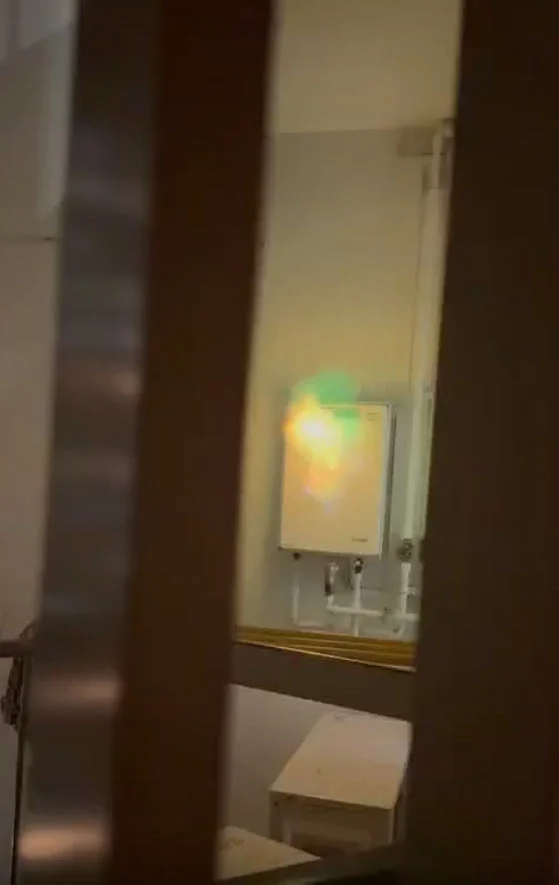
Smoke coming out from Gas Heater at Inz Residences 🔥
See actual smoke coming out from a City Gas heater during operation and how the situation was handled safely through proper inspection and replacement by Homeone.
24/7 Help for Gas Explosion RiskIf you suspect a gas leak, follow this:
Gas leaks, smoke, or unusual burning smells should never be ignored. Follow these immediate safety steps and keep everyone away from the affected area.
Turn Off Gas Supply
Turn off the gas isolator at the gas meter immediately, only if it is safe to reach.
Open doors and windows for ventilation
Open doors and windows by hand to let the gas disperse as you leave. Do not switch on extractor fans, air-conditioning, ceiling fans, or any electrical ventilation — these can ignite the gas.
Do not touch any switches
Do not press electrical switches, heater controls, doorbells, or any buttons inside the affected area. A spark can ignite leaked gas.
Do not use your phone indoors
Do not use mobile phones or any electronic devices inside the area where the gas smell or smoke is present.
Leave the area immediately
Move everyone out of the affected space and prevent anyone from re-entering.
Call a licensed gas service worker or City Energy
Do not return to the property until the area has been checked and cleared by a licensed gas service worker or City Energy.
OUR PORTFOLIO
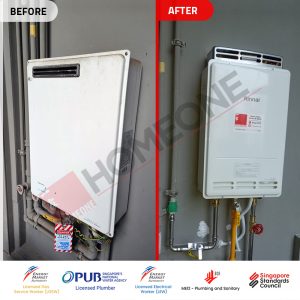
View our gas heater replacement cases
Worried about a gas heater fire or explosion risk?
Don't wait for it to get worse. Get a licensed technician to check it now.
OUR PROCESS
Homeone Safety Standard
When you book a CO inspection with us, we follow a strict compliance workflow — not a visual check, not a guess. Every step is documented, licensed, and accountable.
Gas Heater Fire & Explosion – FAQ
Learn the common warning signs linked to gas heater fire incidents, smoke, overheating, and unsafe operation — and understand when immediate inspection or replacement may be necessary.
Can a gas heater catch fire or explode?
In severe cases, gas heaters with internal faults, overheating, gas leakage, damaged components, or improper combustion may create dangerous situations involving smoke, fire, or sudden flare-ups.
What should I do if smoke is coming out from my gas heater?
Stop using the heater immediately and avoid operating it again until proper inspection is carried out. Smoke may indicate overheating, electrical damage, burning components, or unsafe combustion conditions.
Why does my gas heater smell burnt?
A burning smell may happen due to damaged wiring, overheated internal parts, PCB failure, melting components, or combustion-related problems inside the heater.
Can an old gas heater become unsafe over time?
Yes. Older gas heaters may develop corrosion, leaking parts, unstable ignition, weakened heat exchangers, or deteriorated internal components after years of operation.
What are warning signs before a gas heater fire incident?
Warning signs may include smoke, burning smell, loud popping sounds, unstable flame, overheating, repeated shutdowns, water leakage, or unusual operation during use.
Is it safe to continue using a smoking gas heater?
No. A gas heater producing smoke or unusual burning smells should not continue operating until inspected properly, as further use may increase safety risks or internal damage.
Should I repair or replace a damaged gas heater?
It depends on the condition and severity of the damage. Heaters affected by major overheating, fire damage, corrosion, or repeated faults are often safer and more practical to replace.
Who should inspect a gas heater after a fire or smoke incident?
Gas heater safety inspections should be carried out by trained technicians under Licensed Gas Service Worker (LGSW) supervision to ensure proper diagnosis and safe operation.
Book a CO Inspection Today
Same-day bookings available (depends on slot availability). Our licensed team will inspect, test, and report — with no obligation to replace unless it's genuinely needed.